
30″
Clear doorway
A standard 32-inch door leaf leaves roughly 30 inches of clear opening. It is the number most people skip.
Furnishings research
Where the day finally sets down.
Your walls will not move. Your ceiling will not rise. The furniture is the part that has to yield.
Dwell Hue reads the specification sheets for bedroom storage, lighting and window treatments — so the piece you order fits the room you already have.
Researched from manufacturer specifications, published documentation and verified owner reviews. We do not test products in person.
01
Furniture & storage
Chest height, drawer depth, doorway clearance, and the shelf load rating printed in the manual.
02
Lighting
Colour temperature, lumen output, and the shade height that decides where the glare lands.
03
Window treatments
Headrail depth, stack-back, mounting depth, and a width range that covers the opening you measured.
54″
Chest height
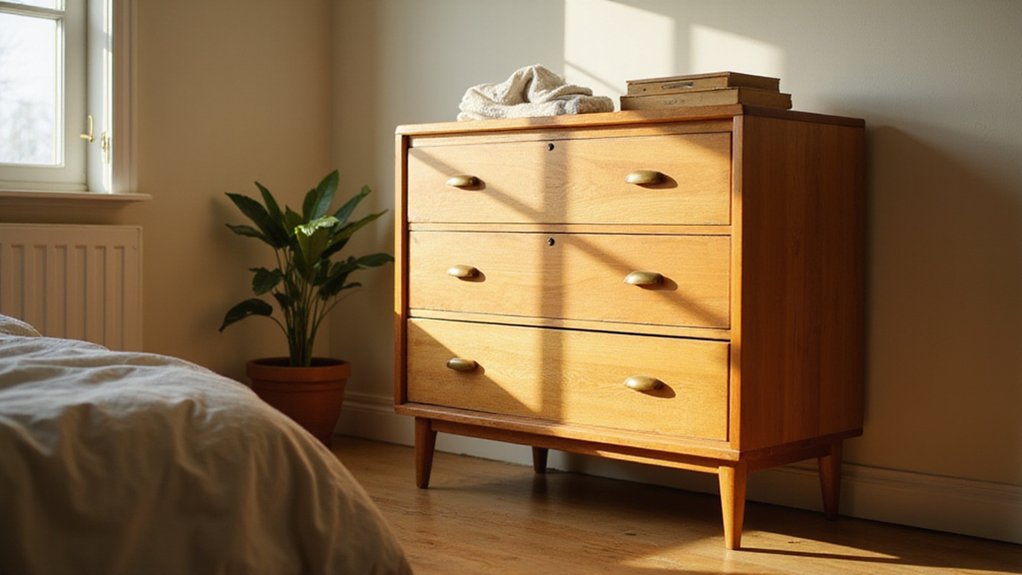
A tall chest of drawers buys back floor space by going upward. Check the drawer depth before you celebrate.
16″
Wire shelf depth
Ventilated closet shelving is commonly sold at 12, 16 and 20 inches deep. Sixteen is the one that suits most reach-in closets.
Chapter one · Furniture & storage
Measure first. Then furnish once.
Almost every furnishing regret starts the same way. Something arrived that was never going to fit.
A tall chest that blocks the door swing. A twin bed with under storage whose drawer cannot clear the wall beside it. So we start where the room starts — ceiling height, doorway width, drawer depth, and the load rating printed in the manual.
Then the piece has to earn its footprint. Ball-bearing glides instead of roller. A frame rated for the weight you will genuinely put on it. Wire shelving with a stated shelf load, not an implied one.
Figure 01
What a 30-inch doorway will actually pass
Typical published depths, drawn against the clear opening of a standard 32-inch interior door. Depth is what has to pass through, because the piece goes in on its side. Measure your own opening — trim and door stops eat into it.
Nobody furnishes a whole room at once. You do it in a sequence — and the sequence is what decides whether the last piece still fits.
2700K
Colour temperature
Warm white. Soft enough to wind down beside, and still legible enough to finish the chapter you are on.
84″
Slider drop
A standard sliding glass door stands 80 inches tall, so vertical blinds for it are commonly sold at an 84-inch length.
Chapter two · Lighting & window treatments
Then the light, and what holds it back.
A room changes character twice a day. Once at the window, once at the switch.
Colour temperature decides whether a bedroom reads as evening or as an office. Lumen output decides whether you can read in bed. Shade height decides whether the glare lands in your eyes or on the page.
Windows work the same way. A sliding glass door needs a headrail that clears the trim, a stack-back that clears the handle, and a width range that covers the opening you measured — not the one you estimated.
Figure 02
Colour temperature, and what each range is for
2200K
Wind-down, ambient, candle-like
2700K
Bedside and bedroom, warm white
3000K
Living rooms and hallways, soft white
4000K
Kitchen and task work, neutral
5000K
Garage and workshop, daylight
The bar above each step shows relative warmth, not the actual colour of the light. For a bedside lamp, stay between 2200K and 3000K. Anything at 4000K or above belongs in a room you work in, not one you sleep in.
The order things happen in
How a room comes together.
Four moves, in this order. Change the order and something will not fit.
01
The tape measure
Ceiling clearance, doorway width, window opening, outlet reach. Four numbers, written down, before a single tab is opened.
02
Mass and volume
The bed, the chest, the closet system. These set the footprint everything else has to live around, so they go first.
03
Light, placed properly
Once the furniture is fixed, the sockets and the bedside surfaces are fixed too. Now the lamp choice becomes obvious.
04
Covering the opening
Blinds and shades come last, because mounting depth depends on what is already standing under the window.
Start here
The guides people arrive for.
Each one is decided by a single number. Run your eye down the right-hand column and start with the one that matches your room.
Furniture & storage
Best tall chest of drawers for the bedroom
Height buys back floor space. The question is how much drawer depth you give up to get it.
54″
Typical height
Furniture & storage
Best twin bed with under storage
The volume beneath a bed is the cheapest storage in a small room. Side clearance decides whether you can reach it.
38″
Twin width
Furniture & storage
Best closet with wire shelves
Airflow, adjustable tiers, and a shelf load rating worth reading twice before you hang a winter coat on it.
16″
Shelf depth
Lighting
Best lamp for bedside
Warm colour temperature to settle the evening. Enough output, at the right shade height, to still read by.
2700K
Colour temp
Window treatments
Best vertical blinds for a sliding glass door
Wide openings need headrail clearance above the trim and a stack that never fights the door handle.
84″
Common drop
Lately on Dwell Hue
New research from the desk.

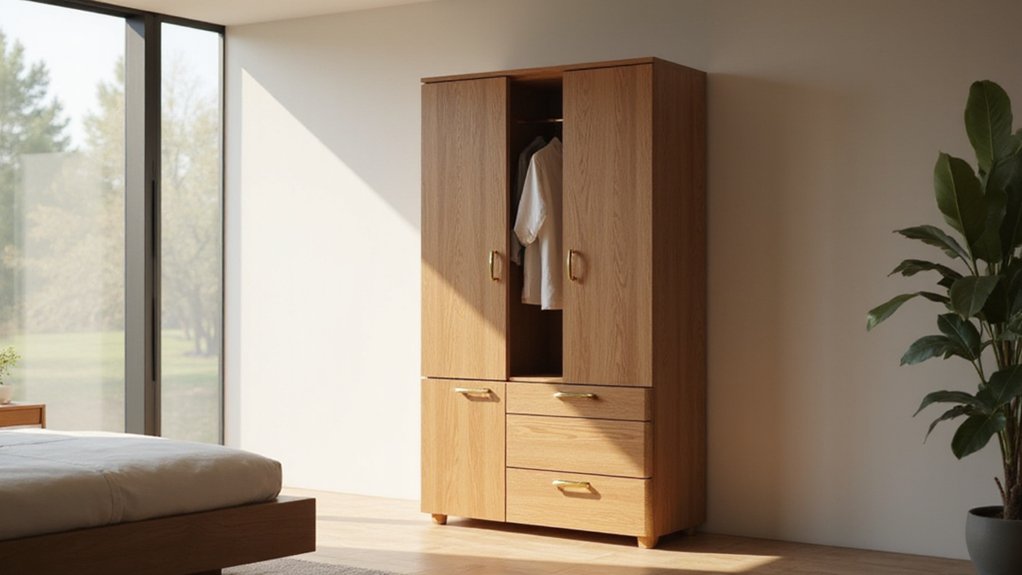
Chifferobe vs Armoire: What’s the Difference?
The main difference is drawers: chifferobes have them, but armoires don’t.
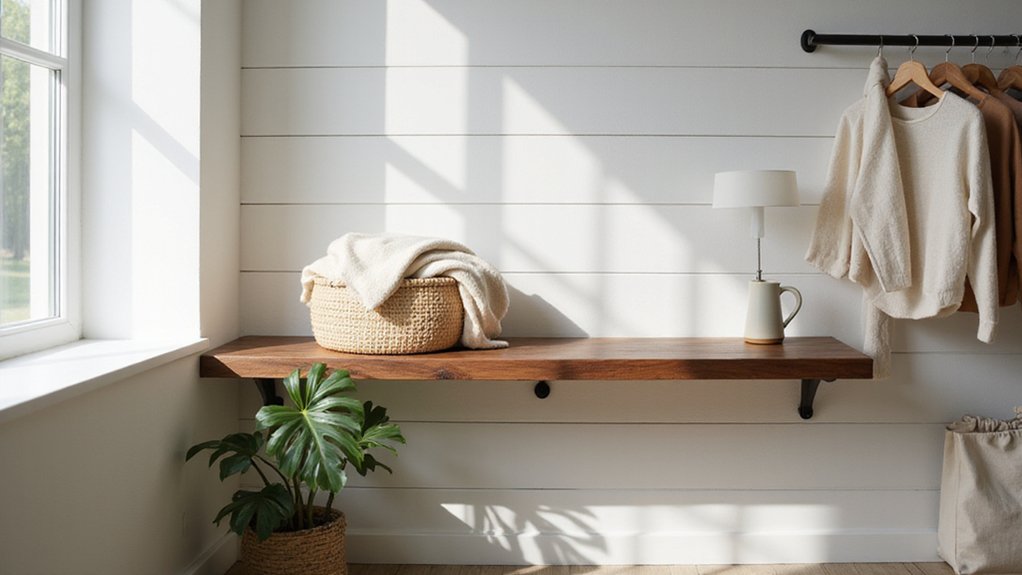
7 Best Wood Shelves That Organize Your Closet Beautifully
Stylish wood shelves upgrade your closet, but the best starter solution might surprise you entirely.
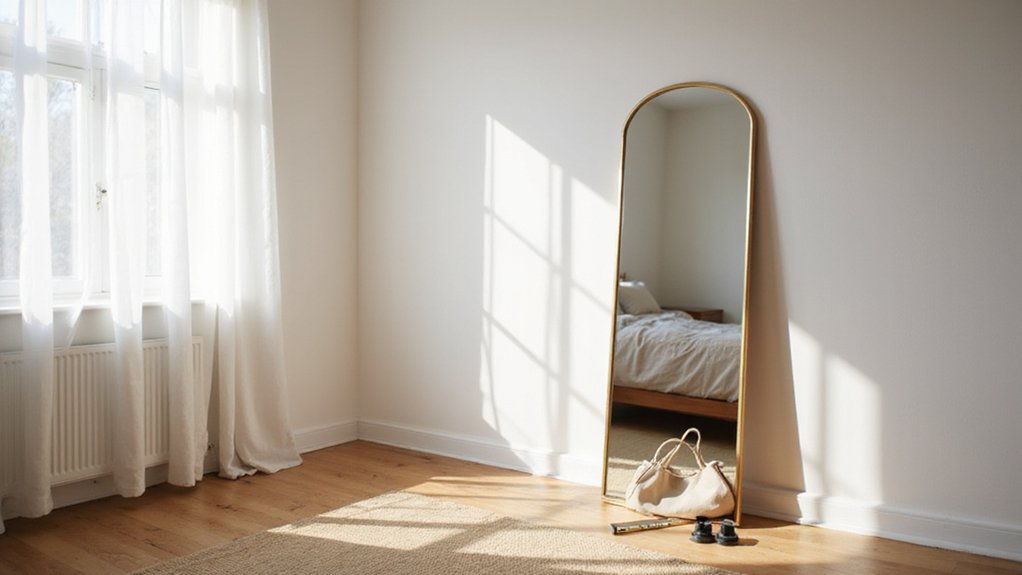
How to Hang a Full Length Mirror
For safe, level mirror mounting, start by weighing it, finding studs, then using the right hardware to prevent…
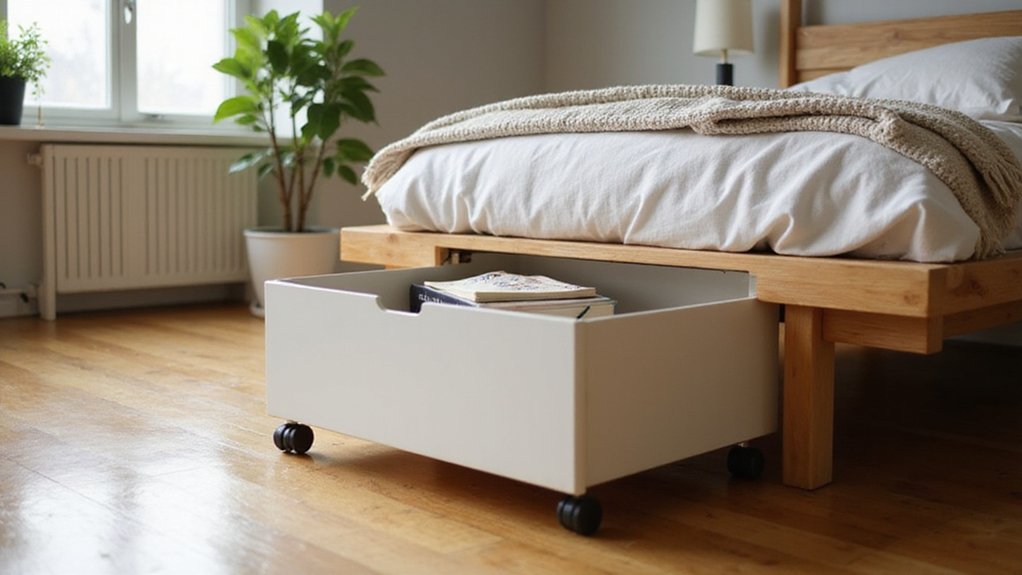
7 Best Under-Bed Storage (Rolling Ones That Slide Like Magic)
Discover seven rolling under-bed bins that glide effortlessly, transforming clutter into accessible storage.
How to Fix a Chest of Drawers
How to fix a chest of drawers: start by checking guides and slides. Then, follow the hidden steps…
7 Best Mirrored Vanities That Make Morning Routines Feel Luxurious
Make your mornings feel luxurious with these seven stunning mirrored vanities you’ll want to see.
Dwell Hue
Every room has a limit. The right piece respects it.
We are not decorators and we are not a testing lab. We are a research desk for storage, lighting and window treatments — reading the specification sheets, the manuals and the long-term owner reviews, then telling you plainly what fits and what does not.
As an Amazon Associate we earn from qualifying purchases. Every recommendation is researched from manufacturer specifications, published documentation and verified owner reviews. We do not test products in person.