Think you know what an LED bulb is? It’s actually a small, energy-efficient light source that uses just a fraction of the power of traditional bulbs.
By understanding how it works—through a process called electroluminescence—you can see why LED bulbs last so long and save so much energy.
Keep reading to see how all the parts come together to make these smart and durable lights.
How Do Electrons Become Light in an LED Bulb?
Electrons become light in an LED bulb through a process called electroluminescence. When you apply a forward voltage across the LED, it collapses the internal electric field. This causes electrons in the n-type region to rush toward the p-type region, crossing the junction. At this atomic level, electrons tunnel through the energy barrier via quantum tunneling, which isn’t a simple jump but a quantum effect.
Once electrons cross into the p-type side, they recombine with holes—meaning they fill vacant spots in the valence band. During this recombination, electrons drop from high-energy conduction band levels to lower-energy valence band levels. The energy lost during this transition is emitted as a photon, which is visible light. The specific wavelength—or color—of this light depends on the energy gap of the semiconductor material. Because this process converts electrical energy directly into light without generating much heat, LEDs are more efficient than traditional incandescent bulbs. However, LED bulb flickering can occur if the electrical current is not properly regulated. When choosing a fixture for your space, you might consider whether a desk or vanity better suits your lighting needs. For additional light control in a room, window films can help reduce glare and improve visual comfort.
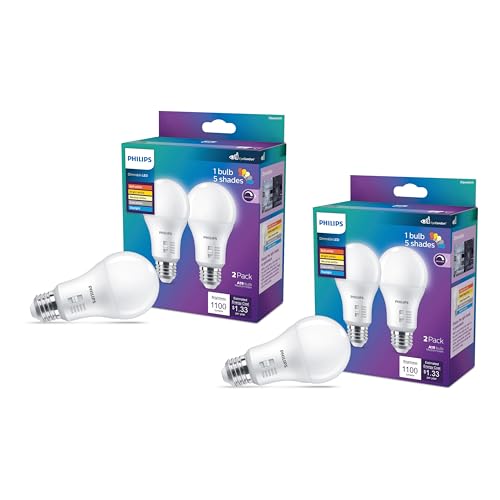
SMOOTH DIMMING: Adjust the light in your home with less guesswork, easily customize the LED bulbs among five shade preferences ranging from Soft White (2700K) to Daylight (5000K), all in one bulb

See True Colors: Ultra Definition bulbs are equipped with a color rendering index of 95 (CRI95) bringing out the true colors of your home allowing you to enjoy natural lighting indoors.

Help Care for Your Eyes: Philips EyeComfort LED bulbs are designed to be comfortable on your eyes, with no visible flicker or glare.
What Are the Main Internal Components of an LED Bulb?
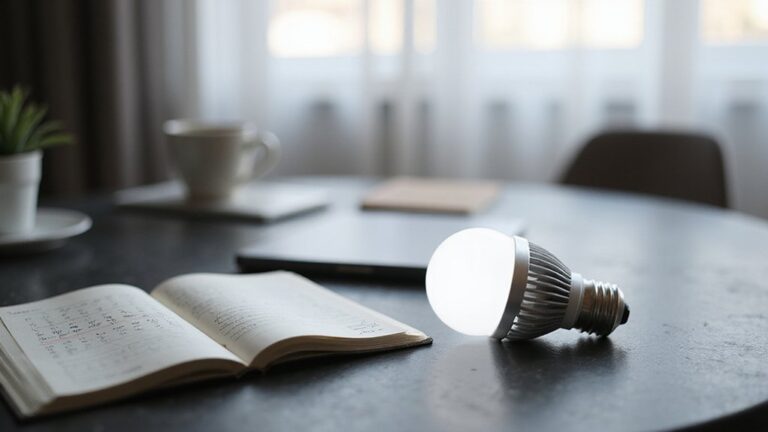
The main internal components of an LED bulb include several essential parts that work together to produce reliable and efficient lighting. The LED chip itself converts electrical energy into visible light. Inside the bulb, a driver circuit manages power flow, often using a bridge rectifier to convert AC mains power to DC, along with capacitors and inductors that smooth out the current. The heat sink, commonly made of aluminum, absorbs heat generated by the LED chip, with fins increasing the surface area for heat dissipation. Optical lenses or diffusers are integrated to soften the emitted light, reducing glare and ensuring even illumination. These elements are assembled on a printed circuit board where chips connect via copper tracks and thermal pads. The protective housing seals the internal components, protecting them from dust and moisture. The base, such as E27 or B22, connects the bulb to the socket, while surge protection and fuses guard against voltage spikes, extending the bulb’s lifespan. The repetitive focus on “Heat” in audio content mirrors the urgent necessity of managing thermal energy within the bulb to prevent failure. Unlike the paraffin oil and water mixture in a lava lamp, which relies on heat to create its decorative motion, an LED bulb must dissipate that same thermal energy purposefully to protect its electronics. For buyers choosing a bulb, quality and performance are influenced by the effectiveness of these internal components.
The Efficiency Edge: Why LED Beats Incandescent
LEDs use up to 85% less power than incandescent bulbs to produce the same amount of brightness. For example, a 60-watt incandescent bulb outputs only about 13 lumens per watt, whereas an LED can deliver between 70 and 100 lumens per watt. This means you’ll get up to seven times more light for the same electricity cost. LEDs also allow you to select precise color temperatures, from warm to cool tones, ideal for customizing the ambiance in any room. Advanced power regulation technology ensures consistent brightness without flickering, even if voltage fluctuates. Switching to LEDs can reduce your annual lighting costs from roughly $394 down to $65. Additionally, LEDs generate significantly less heat, which reduces fire hazards in your home. Because LEDs are built with shock-resistant materials rather than fragile filaments, they are far more durable and less likely to break during handling or installation. Unlike incandescent bulbs that rely on a delicate glass envelope, LEDs are constructed with solid-state components that withstand vibration and impact. Overall, the efficiency advantage of LEDs is not just about saving energy—it’s about smarter, safer, and more adaptable lighting.

【Energy Efficiency】: EVELOR A19 LED light bulb is an energy-saving 9W (60W equivalent) bulb, saving up to 90% energy compared to traditional incandescent light bulbs 60 watt. The led lamp bulb is designed to be highly efficient, making it an ideal replacement for old-fashioned bulbs.Gift options for Christmas and other festivals.

【Efficiency Meets Comfort】 Dalattin's A19 engergy saving LED bulbs replace 60W incandescents with just 9W while delivering full 800 lumens brightness, slashing energy usage by up to 85%. This eco-conscious choice not only saves you approximately $1.08 annually per bulb but also ensures a cooler operation,and enhancing safety. With a lifespan of up to 13.7 years (at 3 hours daily use), they provide a lasting, no worry experience.

60W Incandescent Replacement Bulb: A19 LED bulbs are more energy efficient than incandescent bulbs but generate less heat. No lead or mercury, no IR radiation. It provides a comfortable lighting space and protects our visual health at the same time
How Long Do LED Bulbs Really Last?
A typical LED bulb lasts between 25,000 and 50,000 hours, though this doesn’t mean it will suddenly stop working at that point. Instead, it reaches a point called L70, where brightness has decreased to 70% of the original output, making the dimming noticeable. The actual lifespan depends on factors like heat management and quality. Higher junction temperatures, especially in enclosed fixtures, can cut lifespan in half—a 10°C rise may reduce your LED’s duration from 50,000 to around 25,000 hours. Playing the long game, using your LED bulb for about 3–5 hours daily can give you between 10 to 23 years of service, but you should expect 5 to 10 reliable years from standard bulbs. Keep in mind that inferior drivers or poor build quality can cause bulbs to fail well before reaching the rated hours—sometimes under 10,000 hours. For a more reliable setup, proper heat management is critical, just as following the right wiring steps when installing a pendant light ensures safety and performance. An affordable DIY hat rack project can help organize your accessories and keep them in good condition. Additionally, following a secure lashing method prevents the ladder from shifting during sudden stops or windy conditions.

The Light Dome with heat resistant ceramic socket can accommodate either reptile heat lamp or reptile basking bulb and ceramic heat emitter (Max. 150W).

See What Dim Bulbs Miss:Dim, yellowish light can make lane lines, road edges and signs harder to pick out after dark. These 9005 led headlight bulbs produce crisp 6500K white illumination that brings road details into sharper view, giving you a cleaner, more confident driving view on highways, back roads and late-night commutes

【Great Value】REPTIZOO reptile light fixture with dimming thermostat is great for helping you create a suitable temperature range for your pets. The reptile fixture is ETL certified, apply E26 ceramics lamp cap, can bear Max 100W. (Heat bulbs NOT included )
Why LED Bulbs Are Safer Than Gas-Filled Alternatives
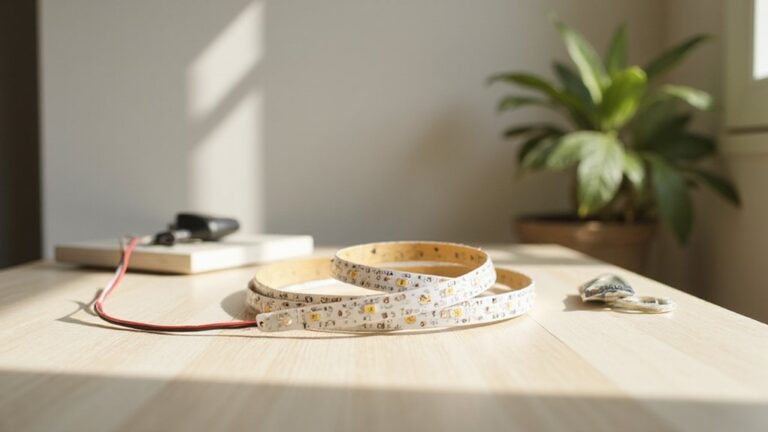
LED bulbs are safer than gas-filled alternatives because they do not contain toxic materials like mercury, which is present in CFLs. If a gas-filled bulb breaks, you risk inhaling hazardous chemicals, but with LEDs, there’s no such danger. Additionally, LEDs operate at much lower temperatures, staying cool to the touch even after hours of use. This significantly lowers the risk of fire compared to incandescent bulbs that generate intense heat. They also run on lower voltage, reducing the likelihood of electrical shocks. Moreover, their durable epoxy lenses make them resistant to breakage, meaning fewer sharp fragments and no risk of gas leaks. Overall, switching to LED bulbs creates a safer home environment. For a similar DIY project, you can use budget-friendly ideas to repurpose LED strips into a safe window valance.