Have you ever wondered if a salt lamp can really improve your home’s atmosphere? Many people buy these warm, glowing chunks of pink salt thinking they might boost air quality or energy.
In reality, they mainly provide a cozy light, with scientific evidence suggesting no significant ion release.
Keep reading to find out what these lamps actually do and what you can expect from one.
What Exactly Is a Himalayan Salt Lamp?
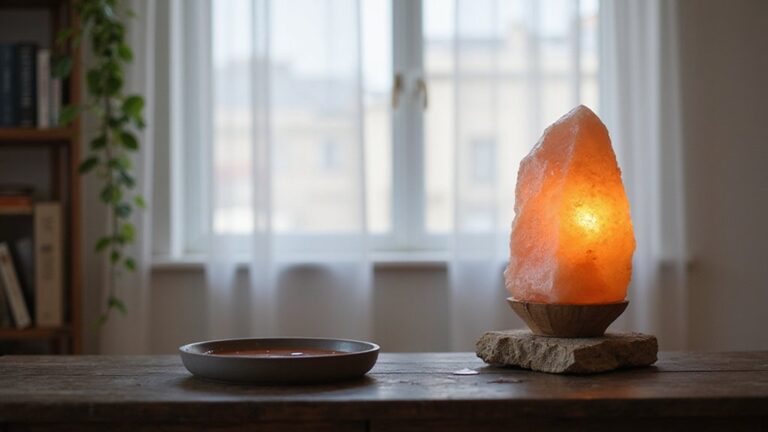
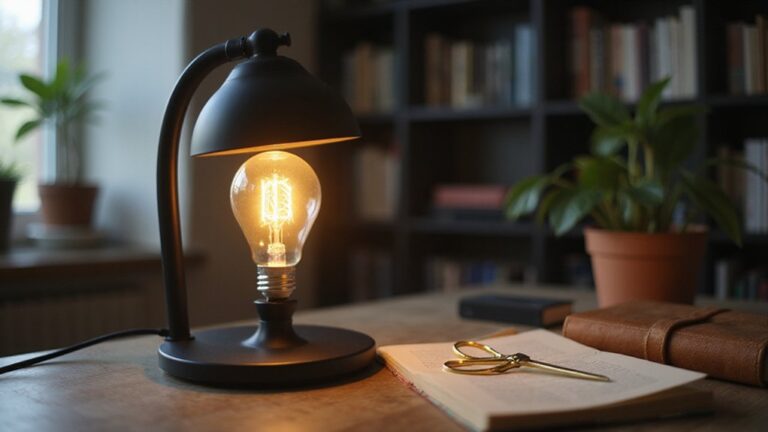
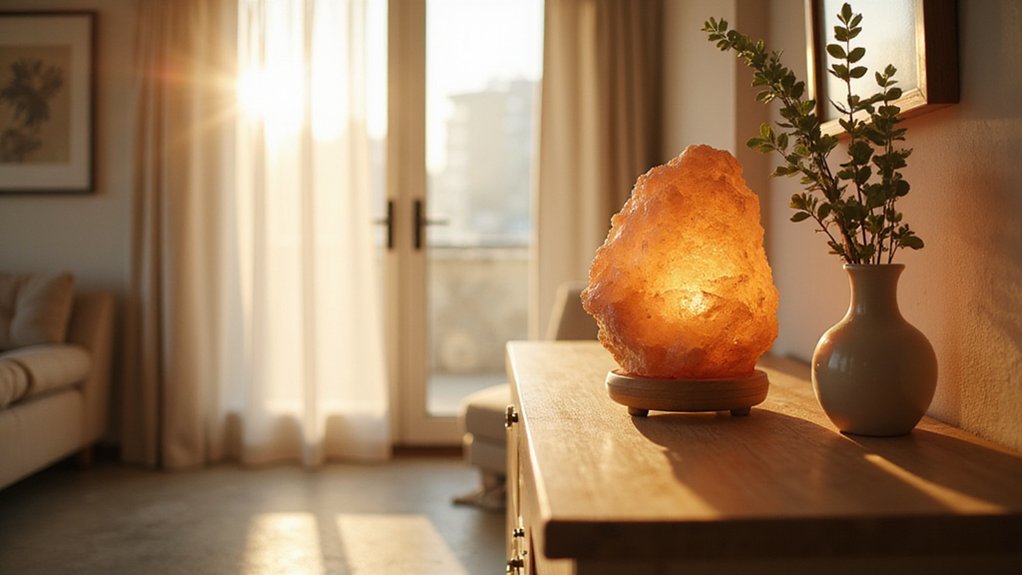
A Himalayan salt lamp is a decorative light fixture carved from a large block of pink salt crystal sourced from Pakistan’s Khewra Mine. Inside, it is hollowed out and fitted with a standard light bulb. When turned on, the bulb emits a warm, amber glow that creates a cozy, inviting atmosphere in bedrooms, living rooms, or other spaces. The pink salt’s natural color enhances the lamp’s aesthetic appeal, making it a popular artisanal décor piece. Unlike a traditional desk lamp, these salt lamps also serve as a unique statement piece for your home or workspace. When considering décor, some people compare this choice to a style guide for selecting between storage furniture like a chest of drawers or a dresser.
The light bulb inside not only provides illumination but also plays an essential role in maintaining the lamp. The heat generated by the bulb keeps the salt dry, preventing it from absorbing moisture from the environment. Without this heat, the salt can become damp, leading to issues like “sweating” or even disintegrating over time. Therefore, owning a Himalayan salt lamp involves more than just enjoying its look; it requires ensuring the bulb stays functional and the lamp remains dry to preserve its quality.
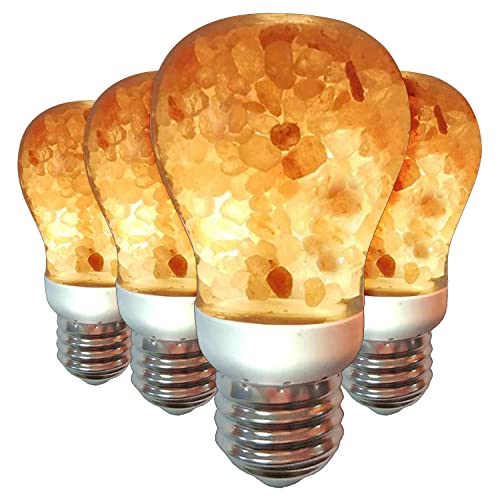
LED energy saving Light bulbs for all types of lighting fixtures

Replacement Light Bulbs for Wax Melt Warmer: This 15w c7 bulb uses filament heat technology to generate the necessary heat for melting wax cubes. By emitting heat through the bulb, it achieves a flameless, smokeless, and pollution-free effect, effectively eliminating fire hazards. It is the perfect heat source for melting wax cubes

High Quality: Salt lamp bulbs Built with premium low-light-decay tungsten wire, these C7 incandescent bulbs stay bright even after long-term use. With 2,500+ hour lifespan, they reduce the need for frequent replacements and deliver dependable, long-lasting performance for wax melt warmers and salt lamps.
Where Real Salt Lamps Come From and Why It Matters
Authentic salt lamps come from the Khewra Salt Mine in Pakistan’s Punjab region, not from the Himalayan mountains themselves. The mineral composition and salt purity are what differentiate genuine lamps from fakes. Real Khewra salt contains 98% sodium chloride and about 2% trace minerals, such as iron oxide, which gives the salt its characteristic pinkish glow. You can test the authenticity yourself: genuine salt reacts to moisture, “sweating” in humid air and leaving a pink residue. It’s also brittle—using a firm knife, you can easily chip off pieces. When shopping, verify these properties rather than just trusting the label. Cheaper imitations often use dyed materials or synthetic salts that lack the natural mineral content. Always look for a UL safety sticker, since knockoff lamps with poor-quality switches can overheat and cause fires. Despite the marketing name, these salt rocks are not connected to the actual Himalayan mountain regions.
How a Salt Lamp Is Supposed to Work (The Theory)
The idea that a salt lamp produces negative ions and purifies the air is not supported by scientific evidence. The proposed mechanism suggests that the warm salt crystal attracts water molecules from the air, then evaporates them, releasing negative ions in the process. Proponents claim this process alters the air’s electrical conductivity, creating a cleaner environment similar to natural settings. However, chemists argue that generating significant ions requires energy levels far beyond what a salt lamp can produce with its low heat. LED bulb flickering, by contrast, is often caused by incompatible dimmers or driver issues, not by a lack of high-energy ionization. Unlike other options reviewed for home entryways, the design of a salt lamp lacks the controlled airflow needed to filter out larger particles effectively. For a more practical organizing solution, these products are often compared on criteria like material durability and ease of cleaning in their respective reviews.
Additionally, the hygroscopic nature of salt means it can trap moisture containing pollutants. While this might seem beneficial, the surface of the lamp quickly becomes saturated with toxins. This coating hampers further absorption because contaminants settle on the surface instead of being removed from the air. Over time, the salt surface becomes coated and stops working, which conflicts with claims of continuous air purification. Testing reveals that salt lamps lack the crystal structure and mechanisms necessary to efficiently produce negative ions, unlike ionic devices.
Testing reveals no consistent production of negative ions from salt lamps. The low heat and lack of an ion-generating mechanism mean it’s unlikely they have any meaningful impact on air quality. Although the idea is appealing for its simplicity and natural approach, the scientific consensus dismisses the effectiveness of salt lamps as air purifiers.

HIMALAYAN SALT LAMP NIGHT LIGHT : Spantik's Himalayan Salt Lamp is handmade & hand carved from salt rock crystals of Himalayan mountains in Pakistan, known as the best place of salt craftsmanship. Unlit, the crystal's rough-hewn, irregular surface looks artistic.

NATURAL HIMALAYAN SALT CRYSTALS: Handcrafted from salt crystals sourced from the Himalayan Mountains, these salt lamps have a unique and natural pink hue that adds a touch of beauty to any space.

The base is made of neem wood, known for its durable and termite free properties
Do Salt Lamps Actually Release Negative Ions?
Salt lamps do not release negative ions in any measurable way. Scientific tests have shown that these lamps produce no detectable ion output, regardless of how long they are used or what size they are. The notion that the heat from a low-temperature bulb can break the ionic bonds between sodium and chloride in salt is not supported by chemistry—it’s simply too stable. Even mechanisms suggesting water evaporation as a source of ion release lack scientific backing. If ions are produced, they could actually release harmful chlorine gas instead of beneficial negative ions. For a more effective lighting solution, consider HID bulb vs. LED options for your space. When choosing a lighting fixture, prioritize curtain rod brackets that suit your decor. Ultimately, any glow you see from a salt lamp is just a warm, ambient light, not an ion generator. For those choosing between shoe racks and storage options, function and style remain the key factors in deciding what fits a space.
What Science Says About Salt Lamp Health Benefits
There is no scientific evidence that Himalayan salt lamps provide health benefits. Claims that these lamps purify the air through hygroscopy or release negative ions lack peer-reviewed support. Experts from Cleveland Clinic and WebMD state that there are no studies showing they remove allergens, germs, or pollutants. Sellers may promise better sleep or respiratory relief, but these claims are not backed by medical research. The Salt Therapy Association confirms that any emission of ions from these lamps contradicts basic chemistry. If you are expecting these lamps to be a health cure, you will be disappointed. They are purely decorative and do not improve air quality or health. For those seeking actual seasonal enjoyment, consider Light Up Night in Pittsburgh for clear timing guidance and best-practice tips.
What a Salt Lamp Is Actually Good For (Mood and Ambiance)
A salt lamp’s primary benefit is creating a warm, inviting glow that enhances your space’s atmosphere. The soothing amber hue acts like a form of color therapy, helping to mellow the environment. Its diffused light softens harshness, making a room feel cozy rather than clinical or sterile. As soon as you turn it on, you’ll notice a mood uplift: the gentle illumination can reduce stress and promote relaxation. This calming effect encourages you to unwind, making your bedroom or living room feel like a personal sanctuary. While it doesn’t improve health scientifically, a salt lamp offers a cozy, aesthetic ambiance that can positively influence your overall mood and sense of well-being.
How to Tell If Your Salt Lamp Is Authentic
An authentic salt lamp is easy to identify if you understand what signs to look for. Genuine lamps often have natural imperfections, such as rough or irregular shapes, because they are carved from real salt crystals. They feel heavy in your hand and may have a slightly uneven surface—rubbing the surface should reveal a faint pink residue and a slight roughness. For proper installation, you should use curtain hooks to securely hang the lamp’s cord out of the way. A key step in installation is using solderless connectors to join sections of the cord without cutting or stripping wires.
You can also test the salt taste by licking the surface; an authentic salt lamp will deliver a clear, salty flavor without chemical aftertastes. Unplug the lamp and check the bulb; it should be an incandescent bulb, not an LED. The glow from a real salt lamp tends to be soft and uneven, creating a warm, cozy light pattern. Additionally, placing the lamp in a sealed box for a month will cause a real lamp to become saturated with salt and moisture. When comparing a lamp to a table, the cost and function of each option should be weighed based on your specific needs.
Color variation is another indicator—authentic salt stones display hues ranging from pale pink to deep orange, not a uniform color. When examining packaging, look for “Pakistan” listed as the country of origin, which is a common source for genuine salt lamps. A sturdy base, secure assembly, and a UL safety sticker are signs of quality. Be cautious of prices that seem too low or labels missing altogether, as these are often signs of counterfeit products. Using these clues, you’ll be able to confidently verify whether your salt lamp is authentic.

AUTHENTIC PINK HIMALAYAN SALT: Lamp is a carved from a block of the purest Himalayan pink salt. Excavated from the Pakistan’s Khewra mine located in the heart of the Himalayas. Loaded with powerful minerals and free from toxins, our Himalayan salt lamp is safe to use in the nursery and with kids.
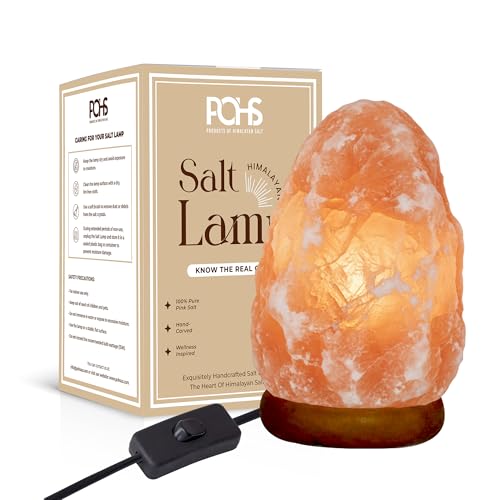
Authentic & Handcrafted – Nature’s Artistry in Every Unique Lamp Mined from Pakistan’s ancient salt caves, each lamp is a unique work of art—hand-shaped by artisans to preserve nature’s raw beauty. Unlike mass-produced decor, our authentic salt lamps boast organic textures, subtle color variations, and a mesmerizing amber glow. When lit, they transform into mood-enhancing masterpieces, casting a soothing, warm radiance perfect for creating serene ambiance.
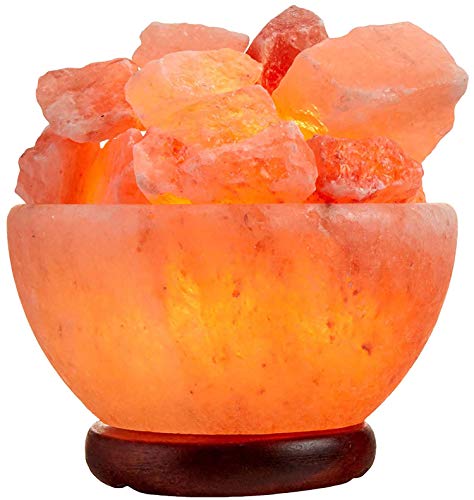
HIMALAYAN BOWL WITH SALT CRYSTAL CHUNKS: Spantik's Himalayan Salt Lamp bowl shape with salt crystal chunks is handmade & hand carved from salt crystals of Himalayan mountains in Pakistan, known as the best place of SALT craftsmanship.
Why Your Salt Lamp Might Start “Crying” (And How to Stop It)
Salt lamps might start “crying” when they absorb excess moisture from the air. Since salt is hygroscopic, it attracts humidity, especially if placed in damp environments like bathrooms or near open windows. If the lamp’s surface becomes coated with water droplets, it signals that it’s pulling in too much moisture. A low-wattage bulb doesn’t produce enough heat to evaporate that water, which leads to leakage. This is similar to how window film can help control moisture and visibility by keeping humid air out while allowing you to see outside clearly. For a more permanent solution, you could build a simple wooden hat rack to store your salt lamp in a dry area away from humidity sources. Using a plastic utensil to gently scrape any salt buildup from the base is a simple step similar to a tool needed for removing old adhesive.
To prevent this, keep your salt lamp on for at least 16 hours each day. Using a higher-watt bulb—such as 25W or 30W—can help generate more heat, especially in humid conditions. Moving the lamp to a dry, cool location like a bedroom shelf reduces moisture exposure. If your lamp leaks, unplug it, dry the surface gently with a lint-free cloth, and remove any salt crystals from the base with a plastic utensil to avoid damaging furniture. Consistent heat application is key to keeping your salt lamp dry and functioning properly.
Replacement Light Bulbs for Wax Melt Warmer: This 25w c7 bulb uses filament heat technology to generate the necessary heat for melting wax cubes. By emitting heat through the bulb, it achieves a flameless, smokeless, and pollution-free effect, effectively eliminating fire hazards. It is the perfect heat source for melting wax cubes

① [ Unique light source ]:The light source is warm,it will emit a orange color lightness when it lit

Note: This non-dimmable E12 T20 salt lamp bulb measures 0.79 * 2.12 inches and has an E12 Candle Holder Base with a diameter of 12 mm. Please confirm the original size of the fixture or bulb before purchasing.
How to Choose a Safe Salt Lamp That Won’t Be a Fire Hazard
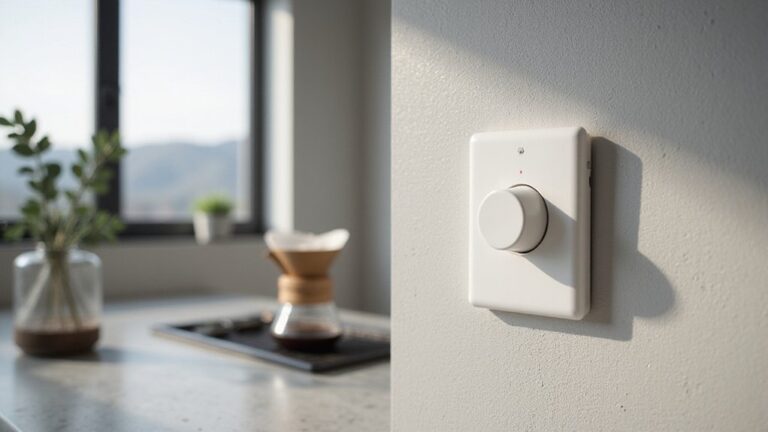
To choose a safe salt lamp that won’t pose a fire hazard, start by checking for a UL certification sticker on the lamp or its cord. This ensures the wiring has passed thorough safety inspections. Similarly, reviewing top-rated night lights can help you understand which features contribute to overall quality and safety. Look for an SAA stamp of approval as well, which offers extra assurance of fire protection. Use only low-wattage bulbs between 15W and 25W; higher wattage bulbs can generate excessive heat that may damage the salt or increase fire risk. Make sure the bulb doesn’t touch the salt rock, since direct contact can cause overheating. Avoid cords that are not UL certified, as they are a common source of electrical fires. Secure your lamp on a stable, heat-resistant surface placed away from flammable items like curtains or paper. Keep the lamp away from water sources to prevent dangerous electric current conduction. For safe storage when not in use, consider placing your salt lamp inside a 27-gallon storage bin to shield it from accidental spills and moisture. For additional safety, consider a lamp with a dimmer switch that allows you to control brightness and reduce heat output. Regularly inspect the cord for signs of damage or wear, and never leave the lamp on overnight or when unattended to reduce fire risk. Following these safety measures helps ensure you enjoy your salt lamp safely.

【6-Pack 15W Salt Lamp Bulbs】 No need to worry about the salt lamp light bulb exchanging problem. Since the salt lamp bulb is a fragile glass product, if there is any damaged bulb when you receive, please contact us to replace it for free, thank you.

100% Original Himalayan Salt & Premium Quality: Pursalt salt lamps are made from 100% himalayan crystal salt rock which from himalayan mountains in Pakistan. All pursalt salt lamps are hand cavred by Pakistan local artists. Every salt lamp is nature and unique.

【6-Pack 15W Salt Lamp Bulbs】 No need to worry about the salt lamp light bulb exchanging problem. Since the salt lamp bulb is a fragile glass product, if there is any damaged bulb when you receive, please contact us to replace it for free, thank you.