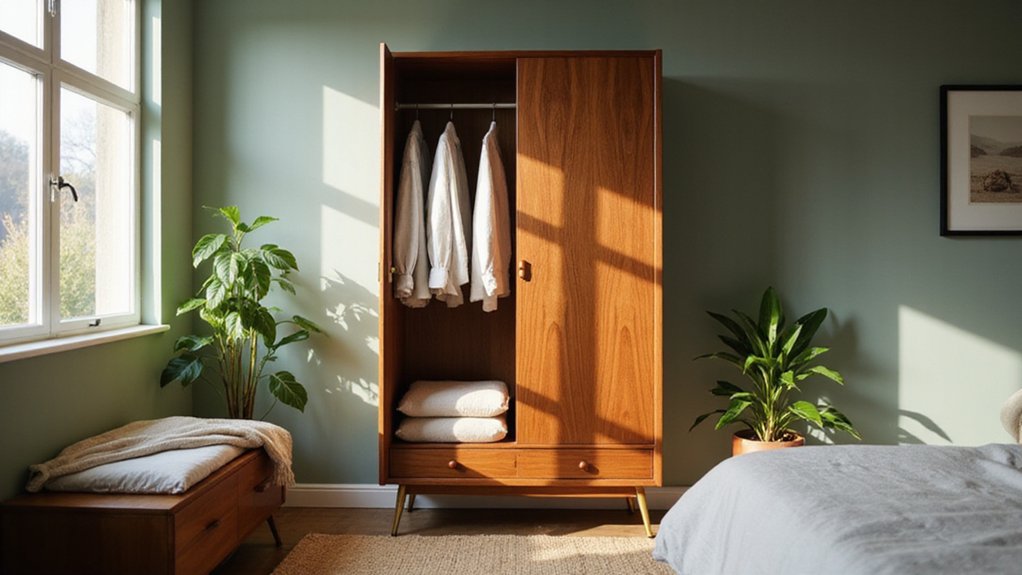
Deciding between an armoire and a wardrobe often comes down to whether you need more storage depth or mobility. An armoire is typically larger, made from heavy woods, and suits those who want versatile storage options.
A wardrobe tends to be slimmer, lighter, and great for quick, budget-friendly setups. Here’s what you need to know to choose the best fit for your space.
Armoire vs. Wardrobe: What’s the Real Difference?
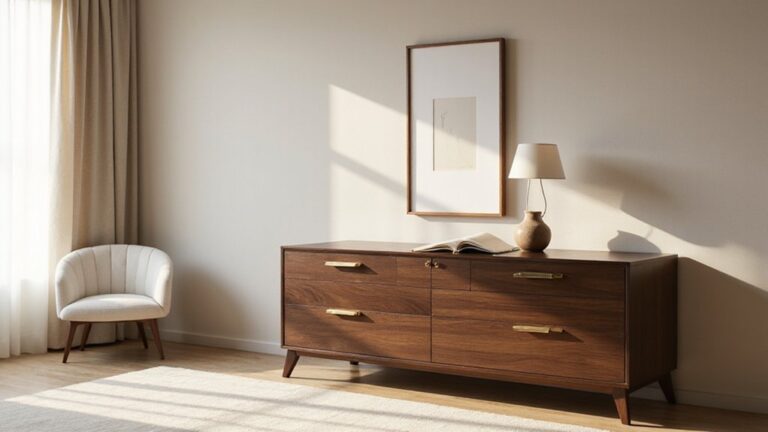
An armoire differs from a wardrobe primarily in design and decorative appeal. An armoire is a statement piece often made from rich woods like mahogany, featuring ornate craftsmanship such as intricate carvings, embossed details, and a decorative crown. Its substantial presence adds vintage charm to a room. It typically offers versatile storage with shelves, drawers, and hanging rails, making it suitable for those who want both functionality and a decorative focal point. Modern armoires can also serve as entertainment centers for TVs or computers, adapting to contemporary needs. When selecting a night light for reading, you might prioritize brightness and color temperature to ensure optimal visibility without strain. When sewing a custom valance, you might use similar measuring techniques to ensure a perfect fit for the top of an armoire. When choosing between them, you should consider the cost as well as the style and function of your space.
In contrast, a wardrobe emphasizes modern simplicity. It generally features sleek lines and lighter materials, prioritizing efficiency over ornamentation. Wardrobes are usually straightforward, with a focus on hanging rods for clothes and minimal additional features. They are ideal if you need affordable, space-efficient storage without the decorative flair of an armoire.
How Width and Depth Compare Between Armoires and Wardrobes
Armoires tend to be wider overall, occupying a fixed width of 90 to 150 cm as standalone pieces. In contrast, wardrobes generally start at around 50 to 60 cm for single modules and can extend beyond 300 cm when designed with multiple sections, offering greater modular flexibility. Both types usually have a depth between 55 and 65 cm to prevent the fabric of clothes from crushing, but you’ll want at least 60 cm to ensure comfortable access and sufficient clearance. Unlike armoires, wardrobes are often a more cost-effective and versatile choice for maximizing hanging space in a narrower footprint. Wardrobes maximize hanging space in a narrower footprint, making them efficient for those prioritizing vertical storage. Armoires, on the other hand, often sacrifice some hanging space to accommodate a variety of zones such as shelves, drawers, or decorative panels. This structural difference influences their external appearance: wardrobes tend to have a sleek, linear profile, ideal for minimalist aesthetics, while armoires have a more decorative, multi-purpose silhouette that typically requires more floor space and door swing clearance. Material choices also differ; wardrobes often use lighter composites for easier customization, whereas armoires favor solid, durable woods for longevity.
Armoire vs. Wardrobe: Why Craftsmanship and Materials Differ
The differences in size, layout, and aesthetics between armoires and wardrobes are intentional and rooted in their distinct craftsmanship and materials. Historically, armoires were built to store heavy armor, which required robust hardwoods like mahogany. This legacy is visible in their sturdy construction, intricate carvings, and reinforced joints, making them both durable and decorative. The deep wood grain of armoires allows for ornate embossing, turning them into striking focal points in a room. For those dealing with damage, fixing a chest often requires similar robust tools and techniques used for armoire restoration.
In contrast, wardrobes evolved as external closets with a much simpler design. They typically prioritize function over form, relying on lightweight and budget-friendly materials such as imitation wood and plastic. Their construction mainly supports a hanging rod for clothes and often lacks decorative details. This streamlined approach reduces manufacturing costs and weight, making wardrobes easier to move and less expensive, but it also results in less material diversity and ornamental craftsmanship compared to armoires. However, just as with lighting, poor quality electrical connections can cause LED bulb flickering in integrated wardrobe lights, underscoring the importance of proper wiring. For those customizing a wardrobe with built-in illumination, cutting the strip lights at designated cut points ensures a clean and functional installation.
Which Interior Layout Works Best for Your Storage Needs?
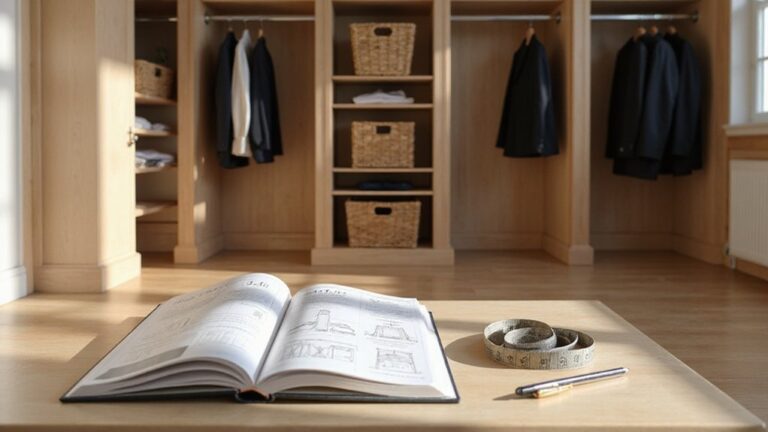
Choosing the right layout depends entirely on what you’re storing, so start by evaluating your wardrobe’s contents. For a balanced mix of hanging and folded items, a classic layout works well. This setup uses long shelves for seasonal gear and upper rails for daily wear, making it easy to access everything. If you primarily own short garments, opt for a double hanging layout. It doubles your vertical hanging capacity, allowing you to maximize space without expanding your closet’s footprint. To further enhance efficiency, consider selecting LED bulbs that provide bright, even illumination to reduce shadows on hanging clothes.
For shared spaces or families, a modular layout is ideal. This design segments the closet into separate zones, each assigned to a person, with labeled drawers for small items like accessories or underwear. If you have a larger room and need more storage, a walk-in layout offers spaciousness and flexibility. It supports multiple rails at different heights, along with central drawers or islands, making it easy to organize and access a variety of clothing and accessories. Using inexpensive organizational products like cedar drawer dividers and striped baskets can greatly simplify storage and prevent clutter. For a baby nursery, a dresser with ample drawer space and a changing topper offers a compact yet highly functional alternative to a full wardrobe.
Proper zoning is key: keep frequently used items at eye level for quick access, while seasonal or less-used pieces can go higher. Additionally, incorporate sufficient lighting options for visibility, especially in darker areas, and use cohesive color schemes to create a visually organized and inviting space.

UPSCALE DESIGN: Features decorative trim on top and bottom and a full backer panel for a custom closet look
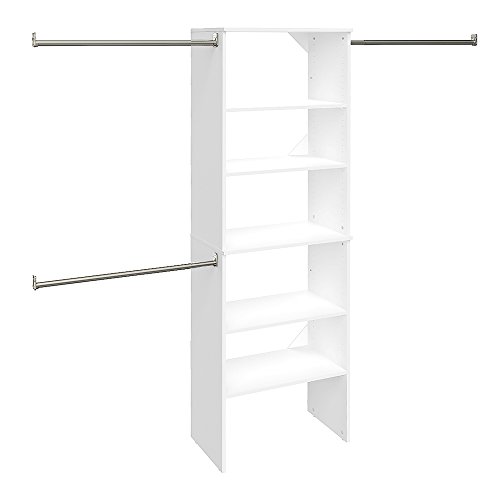
ALL-IN-ONE CLOSET ORGANIZER: Wood closet organizer system kit includes tower, (3) expandable rods, (5) interior closet shelving (2 shelves are adjustable)

【Maximize Vertical Space with 4FT Closet System】This 80" tall small closet system features 4 rods & 2 shelf towers. Store 150+ items: place boxes on top, hang coats/dresses up high, pants/shirts below. Our closet organizer system maximizes closet storage while keeping floors clear
What Can You Store in an Armoire That a Wardrobe Can’t?
An armoire allows you to store much more than just clothes, thanks to its versatile interior features. Unlike a wardrobe that typically relies on a hanging rod, an armoire includes dedicated drawers that are perfect for jewelry, scarves, and socks without needing additional organizers. Shelving units inside can hold folded linens, towels, or even dishware and books, which wardrobes generally cannot accommodate. Enclosed compartments are ideal for hiding TVs, gaming consoles, and audio equipment, with cable management features to keep wires tidy. Reinforced shelves support heavier electronics, while adjustable systems let you store items like office supplies or holiday decorations. You can also utilize its spacious interior for bulky winter coats, musical instruments, or hobby supplies. The vintage charm of an armoire makes it suitable for storing armor or historical artifacts, yet its modern design allows you to transform it into a kitchen cabinet, filing system, or nursery organizer. It offers a comprehensive storage solution that goes far beyond hanging clothes.
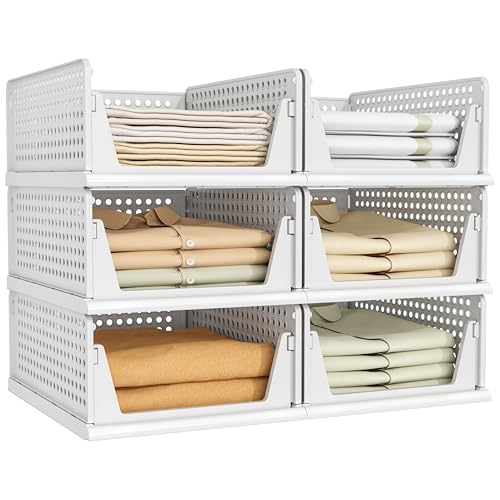
【Multi-Functional】: The closet shelves are convenient to store your lightweight items such as shoes, clothes, toys, snacks, file etc. Suitable for bathroom, kitchen, living room, office.

[Full Length Mirror with Storage] Combine outfit checks and accessory organization. This 19.1" x 60" 360° rotating standing jewelry armoire features a frameless mirror and spacious interior to keep your bedroom or cloakroom tidy and organized

SPACIOUS & WIDELY APPLICABLE – Provides ample space for organizing clothes, accessories, shoes, boxes and bedding essetials. Fits perfectly in bedrooms and guest rooms
Choose Based on Budget, Space, and Lifestyle
Choosing based on budget, space, and lifestyle means considering your specific needs and circumstances. If you have a limited budget, a wardrobe is the more affordable option, often made from imitation wood and priced lower. It provides immediate cost savings but may lack the durability and aesthetic appeal of higher-quality furniture. For those undertaking a DIY walk-in closet project, building a custom system can be a cost-effective alternative to buying pre-made furniture.
If space is tight, a wardrobe’s slim profile—typically 18 to 24 inches deep—is ideal for narrow rooms and rental spaces, offering simple storage solutions without overwhelming the room. An armoire, on the other hand, usually demands more floor space, up to 36 inches deep, but offers varied storage zones for clothing, electronics, or books.
Your lifestyle also guides the best choice. Frequent movers benefit from an armoire’s versatility, as it can be easily relocated and adapted across different rooms. Renters seeking a permanent hanging solution should opt for a wardrobe, which provides a straightforward, fixed solution for wardrobe needs. For those comfortable with DIY, mastering basic electrical safety can make swapping an overhead light fixture as simple as moving furniture.

USB Powered for Flexible Placement:Power your LED puck lights with a 5V USB source such as a USB wall adapter, power bank, laptop, or USB hub. No complicated wiring or battery replacement required, giving you more freedom to install lighting wherever you need it.

Wardrobe bag hook arch:our bag hangers are small in size they are also handy enough to be taken along on a trip, ensuring that you're organized,purse hangers for women