Figuring out which LED bulb fits your needs can be confusing, especially with so many shapes, sizes, and features available. The right choice depends on your fixture, brightness needs, and aesthetic preferences.
By understanding common bulb types and their purposes, you’ll be able to pick the perfect LED for every space.
Keep reading to learn how to match bulbs to your fixtures and ensure reliable performance.
Match Your Fixture to the Right LED Bulb Shape
To match your fixture to the right LED bulb shape, start by identifying the bulb’s letter and number code. The letter indicates the shape, while the number tells you the diameter in eighths of an inch. Before purchasing, measure the available space in your fixture to ensure a proper fit. For bathroom vanities, G25 or G30 globe bulbs work well because they provide full, round illumination. In chandeliers, B10 flame-tip bulbs create a classic candle look that enhances the aesthetic. For ceiling fans, choose compact A15 bulbs that fit into smaller spaces without protruding. Consider whether the fixture is meant for task or ambient lighting to further narrow your choice. Flickering can often be fixed by checking for incompatible dimmer switches that disrupt the LED’s circuitry.
Color temperature also affects mood and usability. Use warm tones around 2700K for living rooms or bedrooms to create a cozy atmosphere. For task-oriented spaces like kitchens or offices, opt for cooler tones around 4000K to enhance visibility and focus. To maximize energy efficiency, select LED bulbs with high lumens per watt—these provide the same brightness while reducing electricity consumption. Always double-check the bulb’s base size, such as E26 or E12, to make sure it fits your fixture and avoids fit issues. For blinds, regular dusting using a microfiber cloth or vacuum brush attachment can prevent buildup and maintain appearance.
A19 and A21: The Standard Bulbs for Most Home Fixtures
A19 and A21 bulbs are the standard sizes for most home fixtures, with A19 being 2.375 inches in diameter and A21 measuring 2.625 inches. The number indicates the diameter in eighths of an inch, so A21 is slightly larger. Both have the same E26 base, but you need to measure your fixture to ensure it can accommodate the taller A21 bulb. Choose A19 for smaller lamps and ambient lighting, offering between 800 and 1,100 lumens. Opt for A21 in larger rooms or garages where higher brightness—up to 2,600 lumens—is needed. While A19 bulbs tend to be more energy-efficient, A21’s larger size allows better heat dissipation, which extends the bulb’s lifespan. To ensure safety, always use the correct hardware designed for the weight of your fixture. To get the most out of either size, select the appropriate color temperature for your space, ensuring comfort and efficiency. Consider your style, cost, and function when choosing between bulb sizes for your fixtures.

60W Incandescent Replacement Bulb: A19 LED bulbs are more energy efficient than incandescent bulbs but generate less heat. No lead or mercury, no IR radiation. It provides a comfortable lighting space and protects our visual health at the same time

【Energy Efficiency】: EVELOR A19 LED light bulb is an energy-saving 9W (60W equivalent) bulb, saving up to 90% energy compared to traditional incandescent light bulbs 60 watt. The led light bulb is designed to be highly efficient, making it an ideal replacement for old-fashioned bulbs.

Efficient LED Bulbs: Ascher pack of 6 units E26 A19 non-dimmable LED light bulbs. Replace 60W incandescent bulb by 6W LED, save over 90% on electricity bill. Note: This E26 LED bulb is not dimmable, please do not use them with dimmer switch
BR vs PAR: Should You Choose Wide Wash or Focused Beams?
BR bulbs are designed to provide a wide beam angle, typically between 100° and 120°. This makes them ideal for general illumination and ambient lighting, as they distribute light evenly across a broad area. The bulged reflector creates a soft-edged wash, which reduces glare and provides a comfortable, diffuse light that’s perfect for living rooms, kitchens, or other spaces where even coverage is preferred. LED versions of BR bulbs use significantly less energy—about 10 to 15 watts for a BR30—making them both efficient and effective for everyday lighting needs. This broad coverage is similar to how blackout blinds light evenly across a room by blocking external light sources. While LEDs are the more modern choice, this wide wash differs from fluorescent bulbs which often cast a harsher, more diffuse light in commercial spaces.
PAR bulbs, on the other hand, focus light into a narrow beam angle, generally under 45°. Their precision reflector produces a hard-edged, concentrated spotlight with crisp shadows, ideal for highlighting specific objects or areas. They excel at providing high-intensity, long-distance illumination, making them suitable for accent or task lighting, such as art displays or retail signage. LED PAR bulbs typically consume 12 to 18 watts, offering energy efficiency while delivering intense, focused light that can be directed precisely where you want it.

Replacement Daylight Bulbs: Make your home more energy efficient with our LED daylight bulbs; Refresh HD Light Bulbs offer a cool, invigorating light that is perfect for energizing moments and active spaces
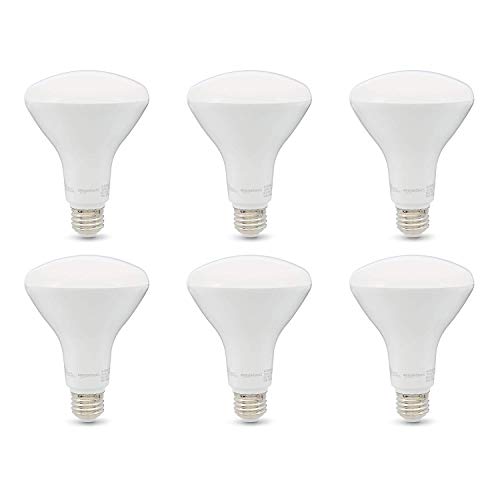
Start saving today with these energy efficient BR30 LED Light Bulbs. These lights have a E26 Standard base.

5CCT COLOR TEMPERATURE ADJUSTABILITY: Featuring 5 Color Temperature options (2700K Soft White to 5000K Daylight), this BR30 LED flood light bulb lets you create the perfect ambiance for any space. Whether you need cozy lighting for living rooms or crisp, bright light for workspaces, it's all at the flip of a switch.
Decorative Bulbs That Still Look Great When Off
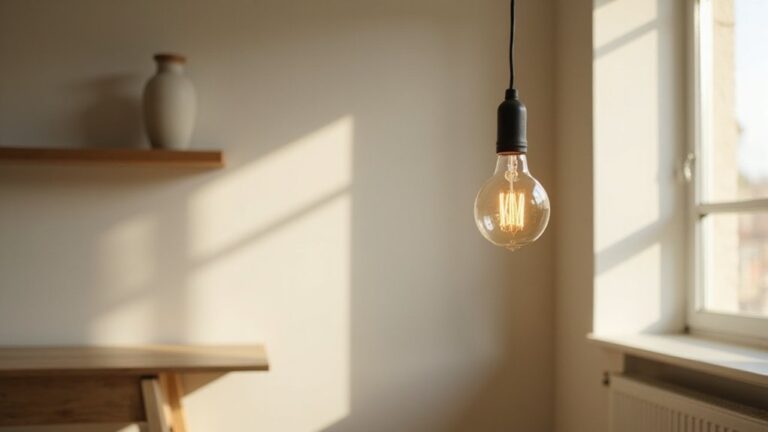
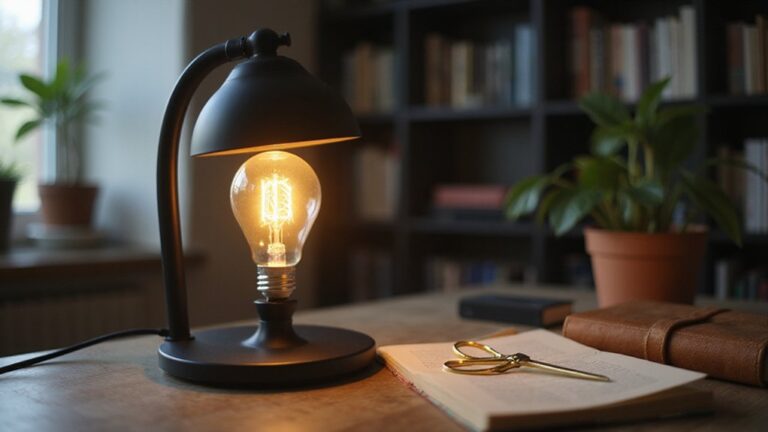
Decorative bulbs that look great when off maintain their visual appeal without power. Vintage-style LED filament bulbs are a prime choice—they mimic classic Edison wire structures, with visible filaments that serve as decorative elements even when unlit. Premium materials like crystal accents, such as those used by Lee Broom, reflect ambient light, adding a touch of sparkle without needing electricity. High-lumen statement bulbs also hold their charm when dark, thanks to their substantial physical presence and intricate filament patterns. For the best night light options, consider bulbs with consistent performance that keep their decorative appeal intact over time. Although dim-to-warm technology won’t influence their appearance when off, long-lasting quality ensures these filament details stay crisp and attractive for years. For example, choosing a bulb with a physical size comparable to a 27 gallon storage bin would be impractical for most fixtures. Use such bulbs in fixtures where the bulb itself is meant to be part of the decor, not just a source of light. Choosing bulbs with an appropriate Kelvin rating is essential to ensure their color temperature complements the fixture’s design even when unlit. To further enhance the look, consider pairing these bulbs with a ceiling light fixture that showcases their design from every angle.
Candelabra vs Globe: When Should You Pick Each Shape?
Choosing between candelabra and globe bulbs depends on your fixture’s shape and the room’s lighting needs. Opt for a candelabra bulb when your chandelier or sconce requires a slender, E12 base that mimics a candle flame. This shape focuses light for mood or accent lighting, making it ideal for highlighting decorative features. Its small profile also prevents overcrowding in tight candlestick sockets. Candle shaped bulbs are typically more decorative and enhance ornamental lighting setups, which is why they suit classic or elegant looks.
On the other hand, globe bulbs are suitable for fixtures with a standard E26 base, such as vanity mirrors or pendant lights. Their spherical design disperses light evenly in all directions, providing broad, ambient illumination. Clear or frosted finishes allow you to adjust the softness of the glow. In summary, choose candelabra bulbs for ornamental style and globe bulbs for functional, room-wide lighting.
T8 and T5 LED Tubes: How to Ditch Fluorescent for LED
Switching from fluorescent T8 and T5 tubes to LED is a smart upgrade. LED tubes typically last between 50,000 to 100,000 hours, significantly longer than fluorescents, which fade after about 30,000 hours. This means you’ll replace bulbs far less often, saving both time and money. LEDs also offer a variety of color temperatures, from warm to cool daylight, allowing you to customize your space’s lighting to match its function or mood.
In terms of energy efficiency, LED T8s can cut energy use by up to 47%, which quickly adds up on your electricity bill. They are mercury-free, making them safer for the environment, and they illuminate instantly without flickering, even in cold environments like garages or warehouses. Overall, switching to LED not only reduces maintenance and operational costs but also improves lighting quality and safety.
E26, E27, and B22 Base Types Explained
E26, E27, and B22 are the three most common base types for light bulbs worldwide. E26 and E27 are screw-in bases with slightly different diameters—26mm and 27mm respectively—but their threads are nearly identical, so they often fit into each other’s sockets. The key difference lies in their voltage ratings: E26 is designed for 120V systems typical in North America, while E27 is meant for 220–240V systems common in Europe and Asia. Modern LED drivers may support a range of voltages, such as 100–240V, but you should always verify the voltage printed on the bulb to avoid compatibility issues. B22, on the other hand, uses a bayonet mount with a push-and-twist mechanism and two pins, making it incompatible with screw-based sockets. Always check your existing socket’s base type to ensure a proper fit and avoid purchasing incompatible bulbs.

Efficient LED Bulbs: Ascher pack of 4 units E26 LED filament bulbs replace 60W incandescent bulb by 6W LED, save over 90% on electricity bill of lighting. Note: This E26 LED bulb is not dimmable, please do not use them with dimmer switch
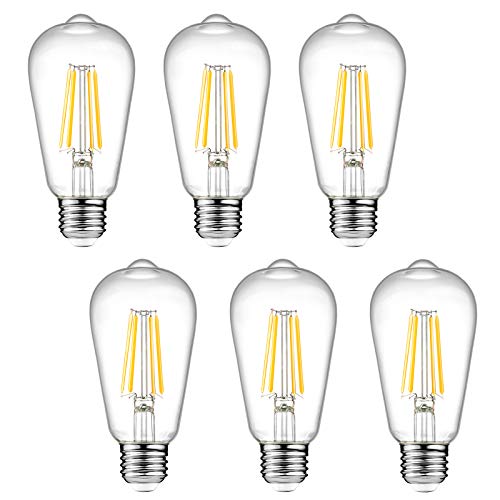
Efficient LED Bulbs: Ascher E26 LED light bulb has 20,000 hours average lifespan. Replace 60W incandescent bulb by 6W LED, save over 90% on electricity bill of lighting

💡 Technical Features - 4 Packs, light bulbs 60 watt equivalent, E26 base, 3000k warm white, non-dimmable, A19 shape, AC-120V, CRI 80, 180 degree, turn on instantly
High-Output LED Bulbs for Garages, Workshops, and Driveways
The optimal high-output LED bulb for garages, workshops, and driveways provides between 75 and 100+ lumens per square foot to achieve parking lot brightness necessary for detailed tasks such as automotive repair. For a typical 400-square-foot workshop, you should aim for a total lumen output of 30,000 to 40,000 lumens.
Your fixture mounting height influences the brightness you need. For ceilings around 8 to 10 feet, 4-foot shop lights delivering 4,000 to 6,000 lumens are effective. If your space has higher ceilings up to 12 feet, select models that output 5,000 to 7,000 lumens. For even taller spaces, high-bay fixtures like the 21,000-lumen hyperlite LED lights are ideal.
Use daylight bulbs rated between 5000K and 6500K for natural, clear illumination. A high Color Rendering Index (CRI) of 90 or above ensures accurate color representation. Screw-in options such as the 18,000-lumen Aoretic or 30,000-lumen TANBABY panels are designed for standard E26 sockets, making installation straightforward while providing the intense lighting necessary for working in these environments.

12,000 LUMENS OUTPUT & 5000K DAYLIGHT COLOR TEMPERATURE – Experience powerful, high-lumen illumination with the Feit Electric 4ft LED Shop Light, delivering an ultra-bright 12,000 lumens with crisp 5000K daylight color, ensuring maximum visibility in garages, workshops, basements, and storage areas. Designed to provide clear, consistent lighting that enhances productivity and reduces eye strain, this shop light is ideal for professional workspaces and DIY projects.
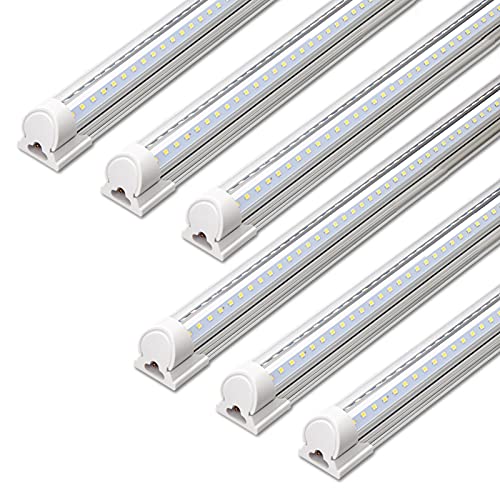
Daylight White: Upgraded Barrina shop lights bring bright, even lighting at a minimum of 138lm/watt (Each light has 5500lm output). Illuminate the dark corners of your space.If you need to connect new and old products, make sure to use the new male-female connector cables

【High Efficiency】Xbuyee 150W LED high bay shop light has highlight efficiency of 140LM/W, produces 21,000 lumens of brightness at 5000K daylight which can replace 600W equivalent fixtures. With high-efficiency SMD2835 LED chips, these high bay lights will significantly save electricity and money over time.
Lumens, Wattage, and Dimmability: 5 Specs to Verify Before Buying
Before you buy an LED bulb, you should review five key specifications: lumens, wattage, efficacy, dimmability, and lifespan. Lumens measure brightness, so choose a bulb with lumens appropriate for your space. For example, an 800-lumen LED replaces a 60-watt incandescent, providing similar light output but using much less energy. Wattage indicates how much power the bulb consumes, not the brightness; since LEDs are more efficient, they produce 75 to 110 lumens per watt. Efficacy reflects how well the bulb converts electrical power into visible light, so higher efficacy means more brightness per watt. For dimmability, verify that the LED is compatible with your dimmer switch—trailing edge dimmers usually work best—and ensure the dimmer’s load capacity matches the bulb’s wattage to avoid flickering. Lifespan is often over 25,000 hours, but excess heat can reduce this; proper ventilation extends your bulb’s life. Additionally, consider color temperature for the ambiance you want and beam angle if directional lighting is needed, as these factors influence the overall lighting experience. Checking these specs carefully helps you avoid issues like flickering, poor performance, or early failure.
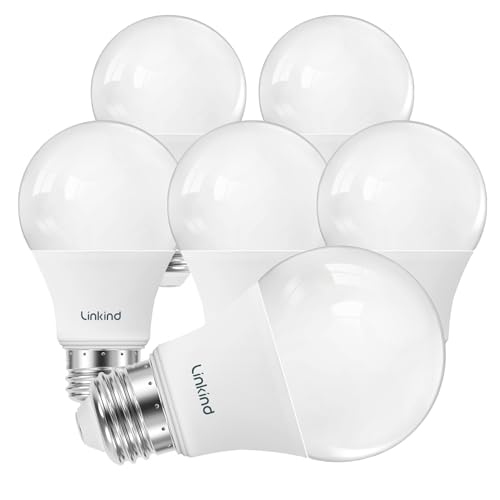
✔ 2700K WARM YELLOWISH LIGHT: The A19 dimmable LED light bulbs give off 800 lumens of 2700k cozy color light. Easy installation with the standard medium screw base E26. NOTE: Please confirm the Kelvin (K) value. This is the most accurate way to select your desired light color. This bulb is 2700K light, which produces a WARM YELLOWISH light. It is not a Bright White or Daylight White bulb. If you prefer a whiter light, please consider our 4000k Cool White or 5000K Daylight options.

Replacement Soft White Bulbs: Make your home more energy efficient with our soft white LED light bulbs; Relax HD Light Bulbs offer a warm, soft white light that is perfect for comfortable moments and cozy spaces
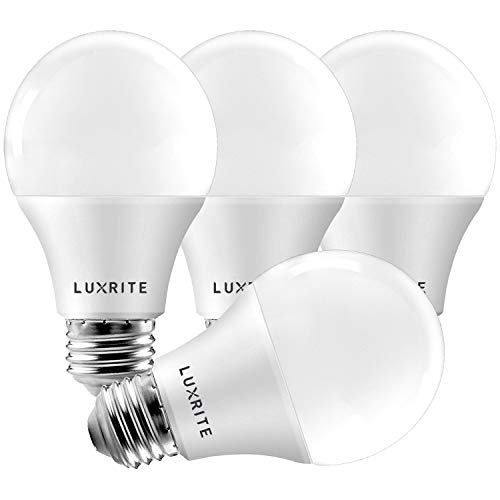
Brightest - Giving you 800 lumens of crisp, quality lighting that is perfect for any atmosphere and brighter than your standard A19 Led bulb. Provide more light to your kitchen, bedroom, living room, office, or any space for brighter home lighting.