Wondering how to keep your wood blinds looking their best without causing damage? Proper cleaning techniques can preserve their finish and prevent warping.
It’s easy to go wrong with moisture or harsh chemicals. With the right approach, you can keep your blinds clean and shiny while extending their lifespan.
Below, you’ll find simple tips to help you maintain your wood blinds effectively.
Why Dust Before Washing? (And How to Do It Right)
Dust your blinds before washing to prevent scratches and make the cleaning more effective. Start by closing the slats flat to cover all sides. Tilt them to about 45 degrees to loosen and remove loose dust and debris. Use a soft microfiber cloth or a vacuum with a brush attachment, moving from one end of the slat to the other. Rotate the slats to dust both the top and bottom sides thoroughly. For quicker cleaning, hold the cloth on both sides of a slat to wipe it simultaneously. Similar to LED bulb flickering, consistent dusting prevents problems from building up. Aim to dust your blinds weekly to prevent dust buildup, which reduces the need for more intensive deep cleaning later. Understanding the tool requirements for this process can also help you choose the right vacuum attachment or cloth. For best results, apply a consistent cleaning motion to each slat, much like the careful technique used when folding garments on a hanger.
How to Clean Real Wood vs. Faux Wood Blinds
Real wood blinds require a gentler cleaning approach compared to faux wood. Since real wood is susceptible to warping and damage from excess moisture, you should avoid wet cleaning methods. Instead, use a soft microfiber cloth or a duster to remove dust regularly. For spots or smudges, lightly spray a soft cloth with furniture polish or a small amount of lemon oil, then gently wipe the slats.
Never soak or heavily wet real wood blinds, as moisture can cause warping or peeling of the finish. Harsh chemicals like ammonia or bleach are also off-limits because they can strip the protective surface. Instead, opt for mild, wood-specific products such as Murphy oil soap applied sparingly. Because wood blinds require more care and are less moisture-resistant, they need more maintenance than faux options. When selecting new window treatments, knowing your curtain panel sizes helps ensure a cohesive look for any room. Keeping a light touch and avoiding excessive moisture ensures your real wood blinds stay looking their best without risking costly warping or damage. For those weighing style against function in the same room, a vanity or desk serves as a practical companion piece to your window treatments.

Pledge wipes are a convenient and easy way to polish, shine and protect your surfaces

Old English Lemon Oil helps protect wood surfaces
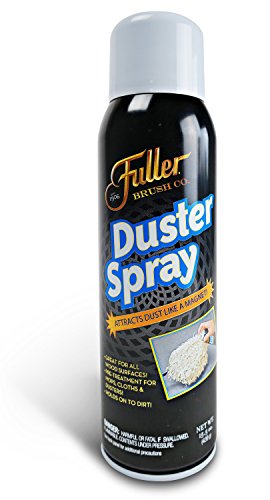
REMOVES DUST: In addition to looking unsightly, dust can irritate allergies and trigger asthma attacks? If your furniture is sitting under a layer of dust, the Fuller Brush Duster Spray is the way to remove the dust completely.
How to Wash Each Slat Without Warping the Wood
To wash each slat without warping the wood, start by positioning the slats almost closed at a gentle angle. Use a soft, damp microfiber cloth and wipe each slat individually from left to right, following the direction of the wood grain to apply gentle pressure. Always work from the top of the blinds down to avoid drips and streaks. Immediately after wiping, dry each slat with a separate clean, dry microfiber cloth, buffing away moisture right away. Completely avoid using any harsh chemicals that can damage the finish or warp the wood, as gentle, non-abrasive tools are essential for preventing scratches. Pat dry instead of rubbing to prevent water from soaking into the wood, which could cause warping or swelling. Avoid letting the blinds air-dry as prolonged moisture exposure increases the risk of damage. If a dimmer switch is nearby, ensure it is not accidentally activated by following a step-by-step installation guide for safety. For best results, turn off the power at the circuit breaker before attempting any cleaning methods that involve electronic components. To keep your cleaning supplies organized like a DIY shoe rack stores footwear, store your cloths and spray bottle in a caddy near the blinds.

REUSABLE MICROFIBER MITT: Slip-on cleaning glove traps dust and hair for faster wipe-downs; rinse or machine wash and reuse, so you can replace disposable wipes; elastic cuff helps keep the mitt in place while cleaning around the home.

Gentle & Effective Plant Care: Expertly designed microfiber gloves gently clean plant leaves without damage, promoting healthier plants by enabling better sunlight absorption and enhancing overall appearance

High Quality: Blinds duster is made of high quality sturdy polyethylene, sturdy and durable. Great for cleaning your blinds.
When Water and Soap Aren’t Enough: Remove Grease Safely
When water and soap aren’t enough to remove grease from your wood blinds, a stronger yet safe approach involves natural cleaners. White vinegar effectively dissolves oil buildup without harsh chemicals. Mix half a cup of white vinegar with two cups of warm water and add a few drops of mild dish soap. Let this solution sit on greasy spots for about 30 seconds to help break down the grime before wiping. For more stubborn residue, baking soda is excellent: combine half a cup with a gallon of warm water, dampen a cloth with this mixture, and then rinse thoroughly. Always avoid bleach and apply cleaners sparingly onto the cloth rather than directly onto the wood to prevent damage. Allow the damp cloth to rest briefly on stubborn spots to help loosen oils before gently scrubbing to clean. For kitchen blinds, regular cleaning of the inverse side helps prevent the grease buildup that is common due to cooking and airflow. Switching to LED lighting can also reduce the heat and airborne grease that settles on blinds in the kitchen. To further minimize grease accumulation, positioning blinds away from direct can light ceiling airflow can help. Consider using a DIY building system for organizing your cleaning supplies to keep vinegar and baking soda easily accessible.
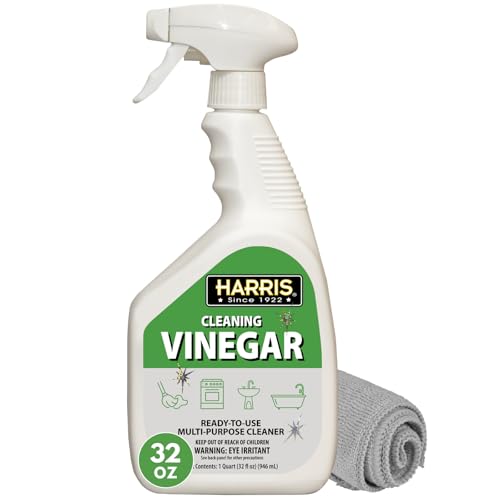
Pre-Mixed & Ready To Use: This effective & easy vinegar spray bottle powerfully cuts through grease & grime—no diluting required

EXCEPTIONAL RESULTS: Introducing Tillbrook Cleaning Vinegar—the perfect choice for natural cleaning and maintenance. Our powerful formula, made from 6% all-natural vinegar and infused with a fresh citrus scent, delivers an unmatched cleaning experience without unnecessary additives.

Aunt Fannie's Extra Strength All Purpose Cleaning Vinegar: Contains distilled white vinegar specifically formulated for cleaning with 6% acidity; No added scents, dyes, or other additives
How to Dry and Restore Shine After Cleaning
To dry and restore shine after cleaning, start by immediately using a dry microfiber cloth to remove any remaining moisture from both sides of each slat. This step prevents warping and ensures thorough moisture control. Keep the blinds tilted open and use a fan or HVAC system to accelerate evaporation. Wait until they are completely dry before rehanging or closing them to avoid trapping moisture, which could cause damage. Feather dusters easily pick up dust particles, so consider using one for initial dusting before drying. For a more permanent display solution, you could similarly organize your cleaning tools on a DIY jewelry organizer wall to keep them accessible.
Once dry, restore the shine by applying a small amount of olive oil mixed with warm water or a wood-specific furniture polish on a soft cloth. Gently wipe each slat from end to end, using light pressure to distribute the polish evenly. Avoid applying excess oil or polish to prevent residue buildup. Before putting the blinds back in their usual position, inspect every slat for dampness or swelling, and perform a final dry wipe to eliminate any invisible moisture. This process helps maintain the blinds’ appearance and longevity.