Thinking about adding window film to your home but unsure of the cost? The price typically ranges from $2 to $24 per square foot.
Most residential jobs stay under $1,000.
Choosing the right film type and installation method can make a big difference in your total expense.
Keep reading to find out how to get the best value for your needs.
What’s the Average Cost Per Square Foot for Window Film?
The average installed cost per square foot for window film in the U.S. ranges from $7 to $24. This variation depends on your film choice and installer, but it provides a good estimate to plan your budget. Basic decorative films, such as frosted or tinted options, typically cost between $5 and $12 per square foot. These films offer UV protection and come in a variety of colors to match your home’s style without a hefty price tag. For improved heat rejection, ceramic films are priced from $10 to $24 per square foot installed, efficiently blocking more solar heat while maintaining UV protection. Premium films like 3M Prestige usually fall within the $10 to $12 range per square foot. Keep in mind that complex window designs or larger projects can increase costs, but the energy savings and added comfort make it a worthwhile investment. For instance, choosing a dimmable ceiling light can enhance a room’s ambiance while complementing your window film’s energy efficiency. In contrast, a flickering LED bulb caused by incompatible dimmer switches would require a different fix entirely, such as replacing the switch or bulb. If your goal is creating a dedicated workspace, you might instead consider the cost of a suitable desk to ensure your room fits both style and function.
DIY vs. Professional Installation: Which Saves More Money?
DIY installation costs $20 to $50 per window, offering an initial savings compared to professional services. However, hidden expenses can quickly add up. Mistakes like improper coverage or air bubbles often require purchasing replacement film, which doubles your total cost. DIY films typically last only 3 to 5 years and lack the durability of professionally installed tint. Achieving custom designs with DIY kits is challenging without specialized tools, and weather resistance may be compromised because DIY films tend to peel or bubble sooner than professional ones. When considering lighting upgrades, switching to LED bulbs can offer similar long-term cost advantages over cheaper alternatives. For example, removing old, damaged film can be difficult without step-by-step instructions and proper tools. Building a DIY closet organizer is another project where careful planning and the right materials can prevent similar hidden costs. While DIY might seem cost-effective upfront, the potential for repeated reapplications and lower longevity can make it more expensive over time.
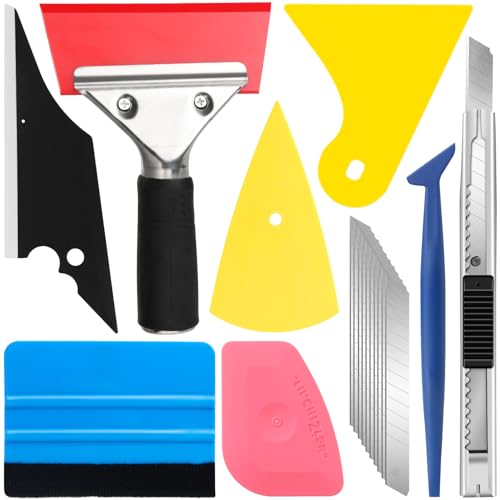
All-in-One Tint Kit: The set features 1pc 9MM metal utility knife, 10pcs snap-off blades, 1pc metal handle scraper, 1pc blue felt squeegee, 1pc medium yellow triangle squeegee, 1pc small yellow triangle squeegee, 1pc mini pink squeegee, 1pc blue long corner squeegee, and 1pc black rubber squeegee. With this window tint kit, you’re fully equipped for any tinting or vinyl wrapping project, ensuring a smooth and professional finish every time.

Ready for a perfect window film installation: The HTVRONT window film kit includes 1* 5.5 inches Felt Squeegee, 1* 7 inches Detachable Ergonomic Knife,1* Replacement Blade and 1* 100ML Spray Bottle. The window privacy film installation tools are designed for making window film applications like a breeze

Designed for interior use on windows
Film Type Pricing: Economy, Ceramic, and Low-E Compared
Economy film is the most budget-friendly option, costing around $2 per square foot for DIY projects and $8 to $10 for professional installation. It provides basic tinting that improves privacy and reduces glare without significantly impacting visibility. While it may not last as long as higher-end films, economy film is suitable if you’re looking for a cost-effective solution with decent performance. Understanding solar shades can help you appreciate how such films balance light control with home decor needs. However, unlike installing a dimmer switch, which requires matching the wattage to the light fixture for safe operation, film application involves straightforward surface preparation. For those who want a matched set of furniture, knowing the standard bedside table dimensions can help coordinate your room’s layout.
Ceramic film offers a higher level of energy efficiency, with materials priced at $3 to $5 per square foot for DIY, and professional installation ranging from $10 to $24. It blocks 70 to 85 percent of heat, making it ideal for maintaining indoor comfort. Ceramic film’s durability and heat rejection outperform economy options, but the higher cost reflects these benefits. It’s best if you want long-lasting performance and significant heat reduction.
Low-E film falls between economy and ceramic in price, with DIY costs around $2 to $4 per square foot and professional installation from $10 to $14. This type focuses on energy efficiency, helping to reduce heat transfer and improve insulation quality. Low-E film is a good middle ground if you seek decent performance without the premium price of ceramic film, and it offers a balance of longevity and cost.

HEAT CONTROL & ENERGY SAVING WINDOW TINT: Snapguard Nano Ceramic Home Window Tint blocks up to 99% of infrared (IR) rays, helping reduce heat transfer through glass and keep indoor spaces cooler and more comfortable. Ideal for hot south- and west-facing wnergy costs for your house.

Stop Closing Curtains All Day: Turns your windows into a one-way mirror during daylight: nosy neighbors, passersby and delivery drivers see only their reflection, while you enjoy crystal-clear views of birds, trees and the outdoors. Note: Draw curtains at night for full privacy when indoor lights are on. Perfect for ground-floor homes, street-facing bedrooms and busy offices
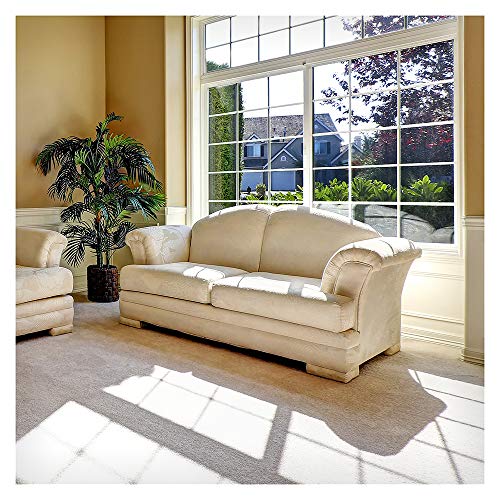
CLEAR LOOK for an unobstructed view. The film has a scratch-resistant coating and can hold light shattered glass together in case of window breakage. Not intended for heat control.
Solar Control vs. Security vs. Decorative: Which Film Costs More?
Security film typically costs the most to install, ranging from $8 to $15 per square foot. Its primary focus is impact resistance, making it ideal for safety and security needs. Unlike solar or decorative films, security options do not emphasize heat rejection or UV protection, so they generally don’t contribute to energy savings. For comparison, the decision between soft white versus warm white bulbs similarly weighs style and function rather than impact resistance.
In comparison, solar control film is priced from $6 to $15 per square foot. It provides excellent heat rejection and UV protection, helping to reduce cooling costs and prevent interior fading. Decorative film is usually less expensive, with costs of about $7 to $14 per square foot, but basic decorative options can start as low as $2 per square foot before installation. Overall, while security film commands a premium for strength, solar and decorative films tend to be more affordable and still offer notable benefits.
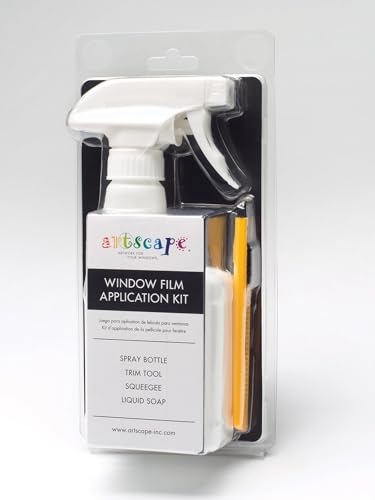
RECOMMENDED KIT FOR ARTSCAPE WINDOW FILM: Created by the brand for the most successful installation of Artscape window films. This kit will also work for most static cling window films on the market.
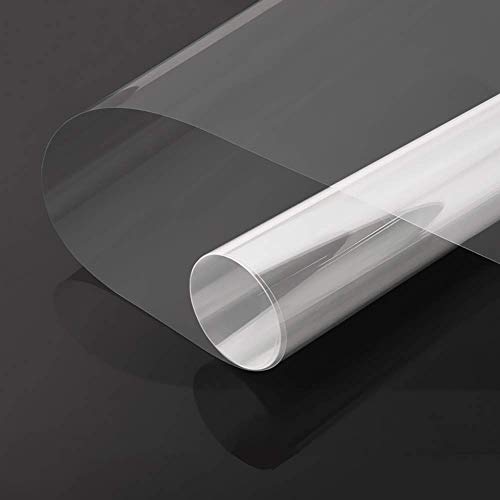
【HEAT INSULATION & ENERGY SAVING】 2 mil Clear Safety Film can effectively block out UV rays, reducing fading and aging of interior furnishings.And retaining heat in winter and keep it out in summer, reducing expensive heating and cooling costs. Since it maintains the transparency of the window, you can now enjoy the warmth of the sunlight without having to worry about harmful UV rays.
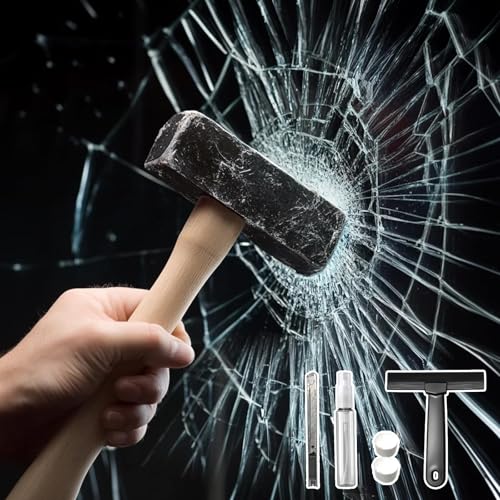
Break-In Deterrent: Windows are a common target for burglars. Our 4mil window security film reinforces glass, making break-ins much harder. It boosts resistance, deters forced entry, and keeps your home or business safer—less of a target
Total Project Cost for Window Film by Room Size
The total project cost for window film depends heavily on room size and the number of windows. For small bedrooms with 2–3 windows, expect to spend between $150 and $300 for standard film. If you choose to do it yourself, costs can drop under $100. Medium-sized living rooms with 4–6 windows generally range from $300 to $600, covering both windows and sliding doors. Larger open-concept rooms with 6–8 windows typically cost between $600 and $1,200 when using mid-range security film. For increased durability, upgrading to 8-mil security film on large windows adds about $9 to $12 per square foot. Whole-home packages for a standard three-bedroom house usually fall in the $2,000 to $3,000 range. For a lower-cost alternative focused on nighttime visibility, best night lights can provide effective illumination without the need for window film. Be aware that rooms with complex features like skylights can increase installation costs significantly, sometimes up to $19 per square foot, to ensure proper application and safety. For a stylish lighting alternative that complements window treatments, consider a bedroom floor lamp with adjustable brightness to enhance both comfort and decor. For simpler window treatments, using curtain rings can provide an affordable alternative to help manage light and privacy.

8MIL HEAVY DUTY SAFETY FILM: Transparent self-adhesive film helps hold shattered glass together after accidental impact. 8mil/0.2mm thickest option for added shatter resistance. Not a replacement for tempered or security glass.

1. Clear View & Effective UV Blocking Our 8Mil clear window film keeps high transparency and abundant natural light indoors. As a professional uv window film, it blocks harmful UV rays and reduces solar radiation effectively. It prevents furniture, curtains and interior decorations from fading and aging, letting you enjoy bright sunshine while staying well protected all year round.

MINIMIZE PROPERTY DAMAGE by absorbing impact from break-in attempts and holding shattered glass together. This film is applied to the interior side of the window.
Why Bay Area Costs $2,000 (And Kansas City Under $1,000)
Kansas City keeps costs below $1,000 for typical window film projects. Labor costs are lower, averaging between $5 and $15 per square foot, which helps keep overall expenses down. For a standard 1,000 square foot home, you can expect to spend under $1,000 on installation. Even spectrally selective film, which offers higher performance, runs around $9 to $18 per square foot—comparable to national material prices. This means you get good energy efficiency and decent aesthetic appeal without the hefty markup typical of the Bay Area market. The high market volume for standard films also contributes to more budget-friendly options, making Kansas City a smart choice for cost-conscious projects.
Hidden Surprise Fees (Removal, Warranty, Travel Charges)
Hidden fees can quickly add up and inflate your final bill beyond the initial quote. Removal charges, for example, typically cost $2 per square foot, but this can increase to $2.50 for purple or brittle film and up to $3 per square foot for security film. Mobile service travel fees often range from $25 to $100, while on-site installation charges may not include these fees unless explicitly stated. Adding warranty coverage or rework fees can cost $50 to $150, depending on the coverage limits. Disposal fees, taxes, and aftercare kits usually range from $10 to $30 each. These extras can undermine your energy efficiency and aesthetic goals, so always request a fully itemized quote before agreeing to the work. If you build a multi-tier shoe rack using common tools like a saw and drill, you can avoid similar hidden costs and tailor storage to your space. If your space also requires storage solutions, consider whether shoe rack options better balance style and cost compared to other storage alternatives. In contrast, understanding how ambient light interacts with window film can help you achieve a more balanced room atmosphere.
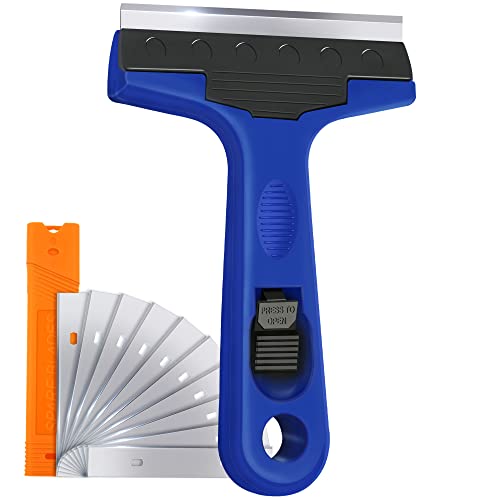
SCRAPER TOOL SET CONTENTS: 1PCS 4" Glass Scraper, 10PCS Double Edged Replacement Razor Blades, 1PCS Scraper Storage Box

【9 in 1 Window Tint Tools】: Package included 9 pcs window tint tools, blue rubber squeegee, blue squeegee with soft cloth, white card squeegee, yellow corner squeegee, black fish-shape squeegee, mini pink squeegee, tint removal blade, 500ml spray bottle, carving knife.
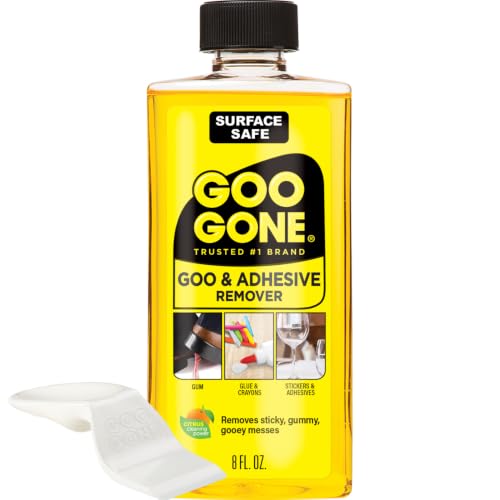
#1 TRUSTED BRAND FOR REMOVING GOOEY MESSES: Try it on stickers, wax, markers, crayons, glue, tar, window decals, glitter, gum, labels and so much more
Is Window Film 80–90% Cheaper Than Replacing Your Windows?
Window film costs significantly less than full window replacement—typically only 10 to 20 percent of the price. While a whole-home film project ranges from $300 to $6,000, replacing your windows can cost between $9,000 and $40,000. This makes film a much more affordable way to improve energy efficiency and comfort.
Film enhances energy efficiency by blocking 40 to 60 percent of summer heat, which helps lower your cooling bills just like new windows. It also offers aesthetic benefits with a sleek, uniform appearance and requires no demolition. Plus, you often see a payback period of two to five years, much faster than the long-term return on full window replacement.
Unless your windows are failing or drafty, film provides all the key performance benefits—reducing heat, glare, and fading—in a fraction of the cost.