Are you wondering how to add both style and functionality to your space? A wall sconce could be just what you need.
These fixtures, once used for candles or torches, now serve as versatile pieces that enhance ambiance or provide accent lighting. Keep reading to see how sconces can easily transform your home’s look and feel.
What Is a Wall Sconce and Where Did It Come From?
A wall sconce is a light fixture mounted directly to a wall, originally serving as a bracket for candles or torches. Its historical significance is substantial—ancient Egyptians, Greeks, and Romans used sconces to illuminate temples and tombs, symbolizing protection and guidance in spiritual and cultural practices. The material evolution of sconces reflects their long history: early versions were simple wood or stone, designed to hold flickering flames, but during the Renaissance, they became more ornate with wrought iron and brass. Silver sconces appeared during Henry VIII’s reign, showcasing the changing materials and craftsmanship. The term itself comes from the Old French *esconse*, meaning “screened lantern,” emphasizing its dual role as a concealed light source and decorative element. For a related DIY approach, you might explore building cube storage that can double as a sturdy base for mounting a small sconce. Today’s wall sconces are far more than just sources of illumination; they are design statements rooted in a rich history, transformed from basic flame holders into elegant and functional pieces. A modern sconce using LED bulbs may experience compatibility issues with dimmers, causing visible flickering that undermines its aesthetic and practical role. When choosing a sconce for your space, you may also consider whether a vanity or desk better suits your lighting and functional needs.
Wall Sconces vs. Lamps and Regular Wall Lights
Wall sconces primarily serve as accent or ambient lighting sources, while lamps and wall lights provide more practical illumination for tasks like reading or working. Sconces cast directional, soft light that highlights artwork or creates cozy zones, but they generally cannot sufficiently light an entire room on their own. Wall lamps, on the other hand, often feature adjustable arms that direct focused beams, making them more suitable for task lighting.
Color schemes differ between the two: sconces tend to emit warm, intimate glows, ideal for creating a relaxed atmosphere. Wall lamps support cooler, clearer tones, which can enhance productivity. Material choices also set them apart—sconces often incorporate decorative elements like exposed bulbs and sculptural forms, while wall lamps tend to have protective glass coverings and minimalist designs. When selecting a sconce that doubles as storage, consider a durable outdoor finish to protect against weather damage.
Permanent wall sconces are space-saving and can elevate your room’s style, but they come with higher upfront costs typically ranging from $60 to $250 plus installation fees. Conversely, lamps are portable, more flexible, and usually less expensive upfront but do require table or floor space. For sconces that use exposed bulbs, selecting the right LED bulb ensures both energy efficiency and the desired warm ambiance.

【Natural Solid Wood & Minimalist Aesthetic】Crafted with premium solid wood panels featuring unique natural grain, this modern LED wall sconce blends minimalist design with warm farmhouse charm. It delivers soft backlit ambient glow while elevating your wall decor, perfect for bedrooms, living rooms, hallways, foyers, stairs, offices, and kids’ rooms.

Up and Down Accent Glow. Two warm white light heads cast a soft wash of light upward and downward across fences, porches, doorways and garden walls. This solar sconce is designed for evening ambiance and curb appeal. It is a decorative accent light, not a security floodlight.

3 Lighting Modes & Motion Sensor: Choose from Always-On Mode, Auto Night Mode, or Auto Day Mode to match different lighting needs. The built-in motion sensor detects movement within a 120° angle and up to 8.2 ft, automatically lighting up dark hallways, stairs, bedrooms, closets, entryways, apartments, and late-night walking areas
The 6 Most Common Types of Wall Sconces You Should Know
There are six common types of wall sconces, each designed for specific purposes and lighting effects. Flush-mount sconces, also called wall washers, sit tightly against the wall and are ideal for narrow spaces where surface area is limited. They provide a clean look and offer versatile style options without protruding from the wall. Swing-arm sconces feature an adjustable arm with an elbow joint, allowing you to direct light exactly where it’s needed, making them a great choice for task lighting in reading areas or workspaces. Uplight and downlight sconces direct illumination toward the ceiling or floor, creating ambient lighting that can make a room feel larger or more intimate. Some fixtures combine both directions, offering even light distribution. Picture sconces focus light downward onto artwork, highlighting details and enhancing visual interest. Sign sconces are designed to illuminate signs or displays, ensuring readability from a distance. Candle and corner sconces add decorative flair, with candle styles offering a traditional look and corner sconces fitting into tight or unusual spaces. For similar reasons, window valance with curtains can also complement lighting by softening the overall look of a room. Keep in mind that installation varies: flush mounts attach directly to the wall, while swing-arm sconces are anchored to a wall plate that provides flexibility in positioning. For organizing accessories like hats, a wall hat rack keeps your space tidy and clutter-free.

MODERN DESIGN. ASD Indoor LED Wall Sconce combines a sleek contemporary appearance with efficient illumination for everyday living spaces. The durable, rust- and impact-resistant housing ensures long-lasting performance, while an acrylic lens with a 120° beam angle delivers smooth, uniform light distribution without harsh glare. A clean design that complements modern and transitional interiors.

Soft and homely:The wall sconce supplied with a Energy-saving and Non-flickering 9W LED G9 bulb (3000K warm white) without switch. The bulb can be replaced,max 40w. NO battery operated.

🍁Adjustable Metal Shade-One Light, Different Looks: the gold glass wall sconce features a gold-coated metal shade which swivels up and down and can be fully removed, letting you position it at the top, middle, or bottom for distinct lighting moods from a single fixture. A design flexibility rarely found at this price — tune the glow to fit your vanity, entry, or accent wall.
Choose the Right Light Direction: Up, Down, or Outward
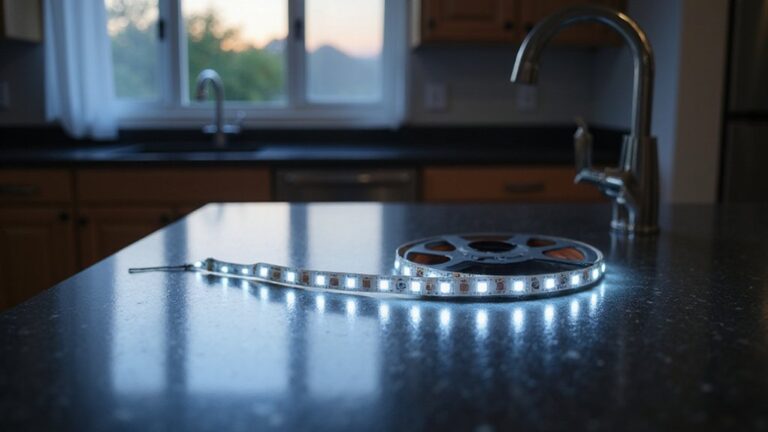
Upward-facing sconces cast light onto the ceiling, where it reflects and spreads gently throughout the room. This creates a soft, diffuse glow that helps soften sharp lines and reduce glare. Perfect for smaller spaces or dark corners, upward lighting makes a room feel more open and airy. Pair these sconces with dimming controls to adjust brightness easily and select warm color temperatures to foster a cozy, relaxed atmosphere. For a more customizable ambient effect, consider joining LED strip lights to create a seamless perimeter of indirect lighting. When planning your lighting layout, remember that precise window measurements ensure your fixtures are spaced correctly for balanced illumination. For those focused on performance, selecting night lights with adjustable brightness ensures optimal visual comfort and energy efficiency.

CLEAR GLASS PANES: LUTEC wall sconce showcase your bulb of choice to create a beautiful light outside your home, with the clear glass panes. PLEASE NOTE this porch light has no motion sensor dusk to dawn function.

White Frosted Glass Lights: The bath vanity fixture features sturdy metal construction in brushed nickel finish with white frosted glass shade. The shades diffuse light beautifully and provide excellent light for tasks and ambience
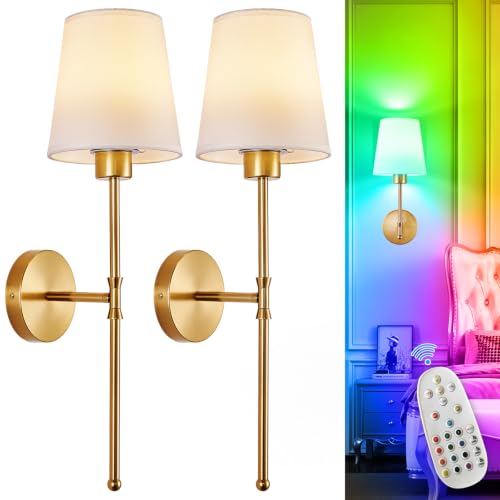
Wireless & Easy to Install: Depuley wall sconces set of two battery operated with two E26 USB charging led bulb, say goodbye to outlet and wired limitations, only takes 20 min to install. Our sconces wall decor set of 2 will elevate your room with a sleek and modern design. Great for halloween decoration.
Where to Install Wall Sconces in Every Room
In each room, wall sconces should be installed at specific heights and locations to maximize both functionality and aesthetics. For bedrooms, mount sconces on either side of the bed at about 24 to 30 inches above the mattress, and 6 to 12 inches from the bed’s edge. This positioning provides balanced lighting for reading or relaxing without taking up space on bedside tables. Similarly, zebra blinds offer a versatile layered design that balances light control and privacy in a bedroom. For those preferring a modernized fixture, a can light conversion kit can transform existing recessed housing into a stylish pendant.
In bathrooms, install sconces on either side of the mirror, approximately 60 to 65 inches from the floor. This height helps eliminate shadows on your face, making grooming easier. For hallways, space sconces 6 to 8 feet apart at an elevation of 60 to 70 inches, ensuring consistent lighting and safety during navigation.
In living rooms, position sconces beside sofas at about 60 to 70 inches high. This creates a cozy glow and enhances the room’s ambiance. Finally, flank fireplaces with sconces placed 6 to 12 inches from the edges of the mantel. This accentuates the focal point and provides additional illumination. While this guide focuses on lighting placement, remember that using hangers for pants requires a separate set of folding techniques to keep your garments organized.

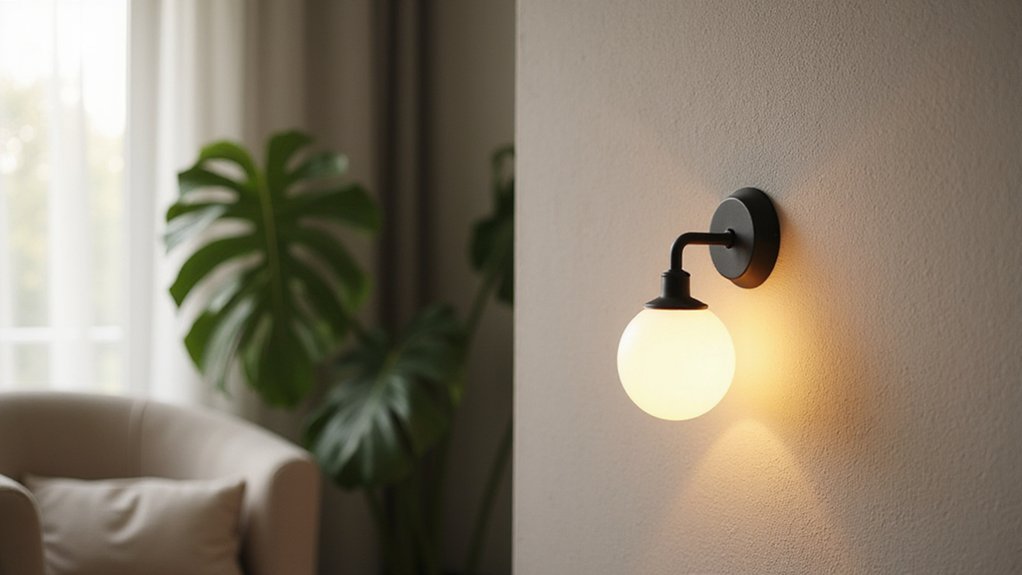
【Simple and Elegant Design】Our plug in wall sconces are made of metal material, adopting a unique globe lampshade with matte black finish lamp body, creating an elegant and stylish look. Its timeless style fits modern, vintage or industrial spaces. The color of the lampshade inside is white, the light won't be absorbed, so it will reflect brighter.

Larger Capacity&Long Lasting: Cordless wall light adopts a large 5000mAh battery that can work from 12 hours to 150 hours between the weakest and brightest light. Only takes 3-4 hours for a full recharge with the included 40inch usb c charging cable
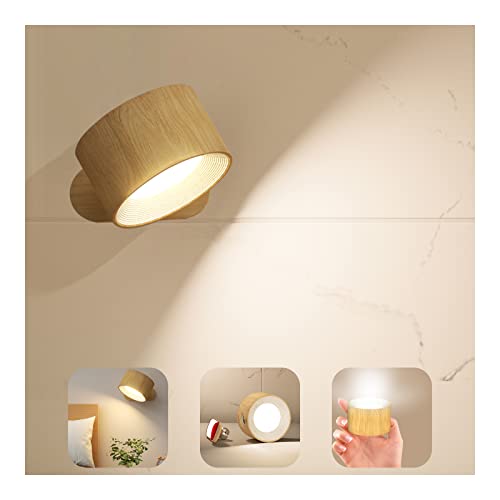
【Touch Control 3 Brightness Levels & 3 Color Temperature & ON/OFF】Dimmable wall lights Lightly touch button to adjust between low, medium and high 3 brightness and ON/OFF. Long press to adjust the 3 color temperature : 2700K(Warm White), 4000k(Natural White), 5700k(White Light).You can DIY the brightness and color temperature. Cordless LED wall sconces will help you remember the last mode and brightness that you used for more convenient to next time.
Standard Heights for Bedside, Vanity, and Hallway Sconces
For bedside sconces, mount the fixture’s center 55–60 inches from the floor or 30–36 inches above the mattress. This placement ensures the light falls 6–12 inches above your shoulder when sitting up, providing ideal reading illumination. Consistently positioning sconces at this height maintains symmetry and balance on both sides of the bed, enhancing both functionality and decor harmony. Choosing between a sconce and a shoe rack or storage solution involves weighing style, cost, and function to fit your space. While a table lamp offers more flexible placement and style options, these fixed sconce heights provide clean, space-saving illumination ideal for tight bedside areas. For a more rustic or budget-conscious approach, you might consider repurposing wooden planks and hooks to create a custom wall-mounted lighting fixture.
Hardwired, Plug-In, or Battery: Wall Sconce Power Options
Hardwired, plug-in, or battery-operated are the three main power options for wall sconces. Hardwired sconces connect directly to your home’s electrical system, creating a seamless, permanent look. This option usually requires professional installation, which can cost between $150 and $400 per fixture. It’s best suited for fixed layouts such as hallways or areas where a permanent fixture fits the decor.
Plug-in sconces draw power from a standard outlet using a visible cord. They are easy to install yourself with simple tools, making them ideal for rooms like living rooms or bedside areas. This flexibility is great if you rent or plan to rearrange your space frequently, since no wiring or professional help is needed.
Battery-operated sconces offer maximum wireless flexibility. They are placed anywhere without wiring constraints, powered by replaceable AA batteries or rechargeable USB-C packs. Battery packs typically last between 15 and 72 hours per charge, depending on usage. These sconces are perfect for renters or spaces where you want ambient lighting without the hassle of wiring or permanent fixtures.

Wireless wall sconces set of two: Prioritize screw mount! If using adhesive, stick ONLY to smooth, clean surfaces like tile or glass; NEVER apply to uneven, peeling walls or wallpaper. The battery wall sconces require no wiring or outlets, making them perfect for old houses, rentals, and power outages.

【6000mAh Rechargeable Battery Per Bulb — 12,000mAh Total for the Set】Each bulb is powered by a true 6000mAh rechargeable battery — not a combined figure. That’s 12,000mAh across both bulbs, giving you up to 13 hours on max brightness and up to 60 hours on low brightness per full charge. USB-C charging included — no disposable batteries needed. Reliable lighting that lasts. Note: Fully charge before first use. Charge in a dry environment, keep away from moisture.

【Effortless Wireless Setup】Brightown battery operated wall sconces set of two come with 2 E26 USB rechargeable LED bulbs and 2 detachable magnetic bases. Completely wire-free and outlet-independent, they can be fully installed in just 20 minutes. Boasting a sleek modern look, this sconces wall decor set of 2 effortlessly upgrades your indoor wall decor and living space ambiance.