
Choosing the right window curtains can feel overwhelming with so many styles and features. Whether you want to block out all light or keep your view clear during the day, the options can make a big difference in your space’s comfort and style.
In this guide, you’ll find simple tips to help you pick curtains that suit your needs and enhance your window’s look.
Keep reading to learn how to measure, select the right styles, and create a polished finish.
How Curtain Style Affects Light, Privacy, and Room Aesthetics
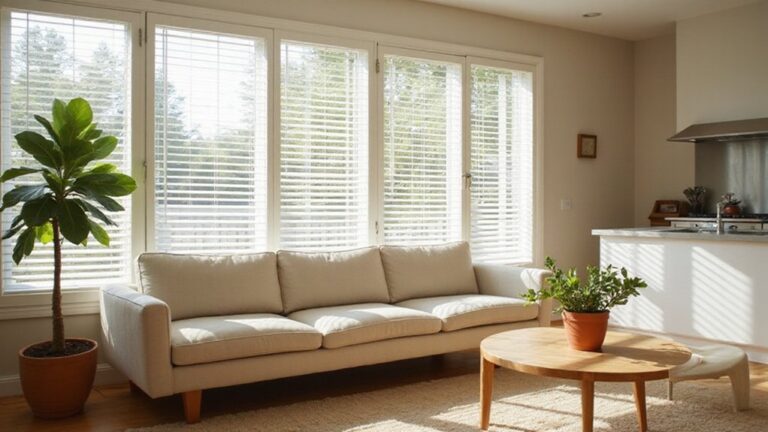
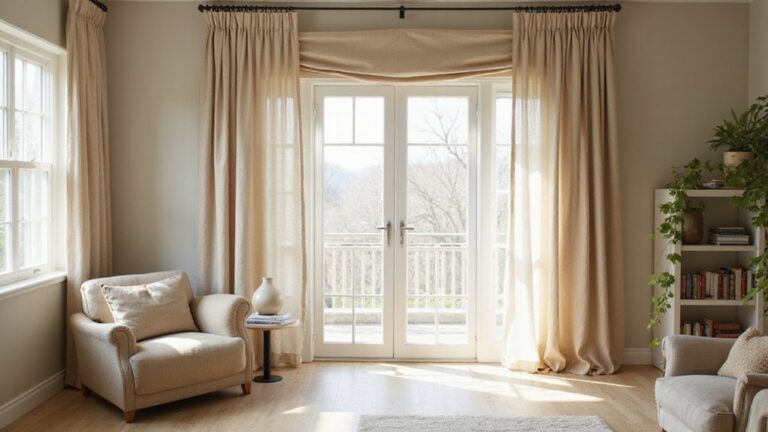
Curtain styles have a direct impact on how light enters your room, how much privacy you have, and the overall aesthetic. Blackout curtains, for example, block 99–100% of sunlight, making them ideal for bedrooms where total darkness is necessary for good sleep. Light-filtering fabrics in living rooms diffuse glare while still allowing in natural light, creating a comfortable brightness. Sheer curtains provide daytime privacy by limiting outside visibility without completely blocking the view. Decorative patterns, such as textured weaves, add visual interest and sophistication without overwhelming the space. Curtain colors also influence your room’s look; neutral tones support a minimalist style, while bold hues create striking visual impact. For adjustable privacy, layering sheer curtains with heavier drapes allows you to control light and visibility easily. Alternatively, café curtains cover only the lower half of a window, maintaining privacy on the bottom while letting in light from the top. Floor-to-ceiling drapes can introduce drama and style, defining the room’s character. When choosing between a vanity or desk for a room, the overall aesthetics are similarly influenced by style, cost, and function. For a similar focus on quality and performance, you can evaluate night lights that also balance light output and privacy features for different room uses. A common issue with dimmable lighting, however, is that LED bulb flickering can occur if the bulbs are incompatible with the dimmer switch.
Choose Between Grommet, Pinch Pleat, and Rod Pocket Headings
Grommet headings are often the easiest to operate and are suitable for most rooms. They feature metal rings that slide smoothly along a rod, allowing you to open and close curtains effortlessly. This design reduces strain on the fabric by 23 percent, which helps extend the curtain’s lifespan. To ensure a cohesive look, match the color of the metal rings to your curtain rod, preventing visual distraction and maintaining aesthetic harmony. For regular maintenance, you can use a vacuum with a soft brush attachment to gently remove dust from the fabric without damaging the rings. Grommet headings work well in casual or modern spaces where easy movement and minimal fuss are priorities. For those interested in similarly versatile lighting options, learn how to convert can light into a stylish pendant for a modern touch. For a more tailored alternative that lifts into neat horizontal folds, consider roman shades for a clean and sophisticated window treatment.

Smooth and Quiet Operation: Experience the tranquility of our Slide Curtain Tape, designed to ensure your curtains slide effortlessly and silently. Eliminate the hassle of stuck or noisy curtains and enjoy a serene home environment.
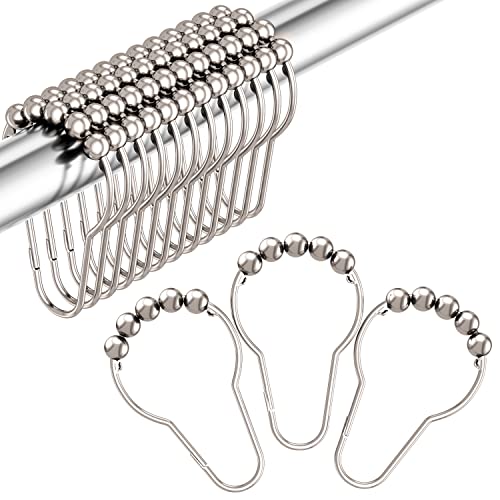
Rustproof & More Sturdy Stainless Steel - Stainless steel is more rust-resistant and sturdy than ordinary metal shower curtain hooks, allowing for years of use in the bathroom.

Smooth gliding - Engineered spherical roller balls of shower curtain hooks can glide smoothly and fast across shower rod.
How Blackout and Sheer Curtains Solve Privacy and Comfort Issues
Blackout curtains provide complete privacy and superior light control by blocking up to 99% of external illumination. Their dense, multi-layer fabrics create total darkness, preventing any silhouettes from being visible inside, which is ideal for restful sleep or maintaining privacy during the day. Additionally, these curtains improve comfort through thermal insulation, helping to keep your room warmer in winter and cooler in summer. They also absorb noise, creating a calmer indoor environment. Durability is a notable advantage; high-quality blackout fabrics withstand long-term use and maintain their effectiveness. Choosing colors that match your decor ensures you preserve your room’s aesthetic while enjoying maximum privacy and comfort. For a similar balance of functionality and style, roller shades offer a streamlined alternative with their own light-filtering options. For easy installation, you can follow step-by-step instructions to fit a dimmer switch for your lighting. If you need to adjust the curtain rod height, the same basic tools used for mounting a new fixture can simplify the task.
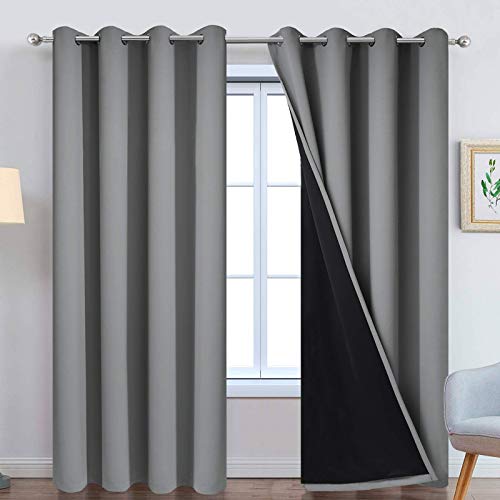
PACKAGE MADE:2 panels per package. Each Lined Curtain measures 52" wide x 84" long. 8 Silvery Grommets per panel. This silvery grommet (1.6 inch inner diameter) fits many rods. Easy to hang and smooth to slide. The simple design gives people a sense of ease.

100% Blackout Curtains: Our Blackout Curtains ensure a completely dark room, isolate noise and protect privacy. These room darkening curtains can block 100% sunlight.Heavy duty curtains keep heat indoors in winter and discharge heat in summer, thereby reducing cooling and heating costs , While protecting your furniture, floors and artwork from the sun damage

Pair Sold: Each package includes 2 panels of short blackout curtains. Each panel measures 40"W x 63"L, with a pair measuring 80"W x 63"L. The curtains blackout have 2 hanging options (Rod pocket & Clip Style) with a 3-inch rod pocket to fit standard or decorative curtain rods. Don't worry if this blackout curtain is a few inches shorter than your window. Hang with rings & hooks for easy 3-4" height adjustment.
How to Choose the Perfect Curtain Length for Your Window
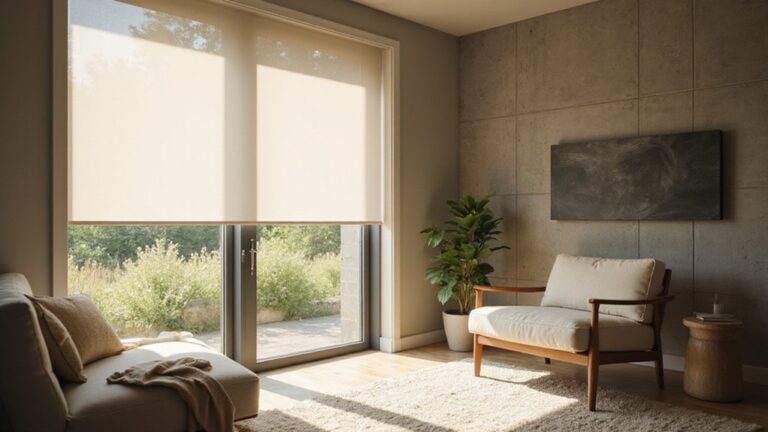
To choose the perfect curtain length, start by measuring from your curtain rod to the floor for outside mounts, or from 4 inches above the window for inside mounts. Standard lengths like 84, 96, or 108 inches often match typical ceiling heights and make installation straightforward. If your window height does not match standard sizes, consider ordering custom curtain lengths for a perfect fit. For rooms with common 8-foot ceilings, selecting 96-inch curtains creates a seamless and polished look from ceiling to floor. Decide on a finish based on your style: sill length creates a tidy look, floor length offers a tailored appearance, and puddle length adds a touch of elegance and drama. Use a steel measuring tape to ensure precise measurements and avoid common errors. For spaces where UV protection is a priority, choosing solar shade materials can help reduce glare while maintaining a stylish decor.
Remember that mounting your rod 3 to 5 inches above the window enhances perceived height and makes your room look larger. When selecting your curtains, consider color coordination and fabric texture, as longer curtains draw more attention to these elements. To ensure a balanced and full appearance, aim for panels that are 1.5 to 2 times the width of your window. This fullness ensures your curtains look plush and polished without compromising functionality.
Heavy vs. Light Fabrics: Which Belongs in Your Living Room vs. Bedroom
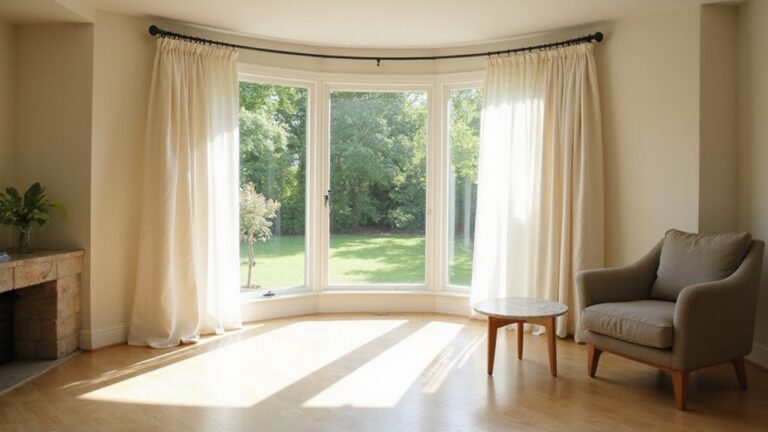
Living rooms typically benefit from lightweight fabrics like cotton, linen, or sheer materials because they allow natural light to filter through while still offering privacy during the day. These fabrics help keep the space bright and inviting without making it feel heavy or closed off. In contrast, bedrooms require heavyweight options such as velvet or blackout polyester, which block almost all light and improve sleep quality. Floor-length, lined curtains that seal tightly against the window frame add insulation, helping to maintain a consistent temperature and reduce drafts. For those balancing storage and window treatment decisions, understanding the distinction between a chifferobe vs. armoire can help unify a room’s functional and decorative goals. A simple wood frame can be built to support a custom curtain rod, mirroring the cost-effective approach of a DIY clothing rack. For optimal light control, consider applying tinted window film as an additional layer behind sheer curtains.
Choosing the right fabric also depends on window framing. Heavy curtains that fully reach the floor create a seal, boosting energy efficiency by preventing drafts, while lighter curtains that stop at the sill keep the room feeling airy. Avoid using the same fabric in both rooms; lightweight is ideal for the living room to keep it lively and open, whereas bedroom curtains need to be dense and opaque to foster darkness and privacy.
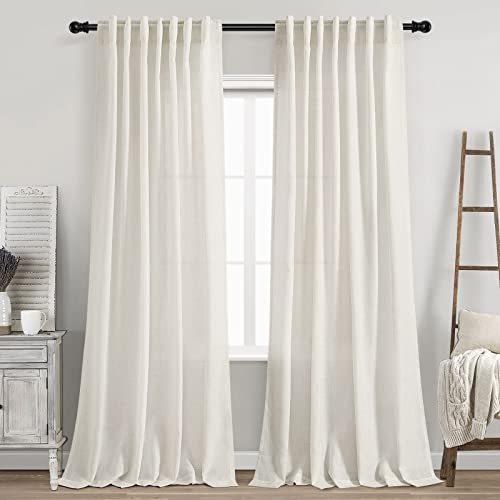
READY MADE: 2 Linen Curtain Panels per package.Each panel measures 52 inches wide by 84 inches long. Top design of Back tab & loop pocket provide 3 hanging options. <1> hanging from the back patch to create an elegant pleated look, <2> from the 3 inch rod pocket for a classic look <3> Hanging with clip rings for easy, slide open and closed (clip rings are not included)

SIZE & MATERIAL:Set includes 2 panels blackout curtains(52" Wide by 84" Long). Each panel has 8 grommets.The interior diameter of hole is 1.6 inch.It's easy to hang. Curtains are made by quality faux linen.

100% Total Blackout & UV Blocking: Achieve perfect darkness with these blackout curtains! The dedicated liner blocks 100% sunlight and UV rays, ideal for any bedroom or living room. This blackout curtain protects furniture from fading and helps regulate room temperature year-round.
Single vs. Double Panel Curtains: Which Layout Fits Your Window and Style
Double panels are typically the better choice for most residential windows. They offer greater flexibility by allowing you to draw one side for partial light and privacy or open both completely for maximum exposure. Two panels also simplify achieving the professional 2x width rule, eliminating the need to find an extra-wide curtain. This layout creates a balanced, substantial look that enhances your room’s overall style. You can also experiment with contrasting color combinations or bold fabric patterns on each side to add visual interest.
Single panels work well when you prefer a minimalist aesthetic or have very narrow windows, such as in small bathrooms or narrow kitchens. They create a clean, modern appearance and tend to be more budget-friendly. However, on wider openings, they can look sparse and might not provide the same level of light control or visual balance as double panels. For optimal support and function, double curtain rods are recommended to accommodate the weight and width of two panels.

Flexible 2-Piece Design: Features two separate panels for easy access and better control. You can open one side while keeping the other closed — ideal for kids, pets, or elderly family members. Enjoy more flexibility and better value than buying two single curtains.

Double Layered Curtains: Crafted with a sheer lace layer, our boho curtains for bedroom boast a smooth, delicate handfeel, while the linen layer is soft and durable. With one-piece cutting and neatly sewn edges, our linen curtains 84 inches long 2 panels strike a balance between beauty and practicality. They are suitable for bedroom, living room, nursery, office and other places

Ready To Hang- Sold in pair, each package includes 2 pieces of french door curtains and bonus tone to tone adjustable tiebacks. Each sheer panel measures: 40 inches wide by 72 inches long
Curtain Rod Sizes and Mounting Hacks for Quick, Secure Installation
To ensure a professional look, measure your curtain rod length carefully. Start by calculating the total length: take your frame width and add 3 to 6 inches of overhang on each side. For example, if your window frame is 48 inches wide, add 6 to 12 inches, making your ideal rod length between 54 and 60 inches. Match your final measurement to standard rod sizes, rounding up if necessary. Remember, the rod diameter should correspond to your curtain weight—use 5/8 inches for sheers and up to 1 1/4 inches for heavy drapes. For extra stability on a wider window, consider DIY bedside table principles for bracket support spacing. Additionally, mounting the rod 4 to 6 inches above the window frame helps create the illusion of height, as recommended in standard placement guidance. For heavier curtains, install a central support bracket to prevent sagging over time.
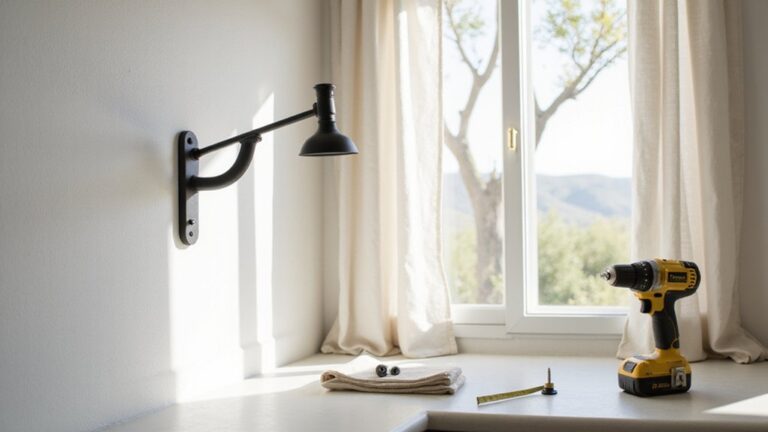
For mounting, position the rod 4 to 6 inches above the window frame to create the illusion of height. Install brackets every 30 to 36 inches to support the weight evenly. Use a level to ensure the rod is straight and a stud finder to locate secure points, especially if mounting into drywall. Double-check all measurements before drilling to prevent mistakes that could compromise stability or appearance.

【ADJUSTABLE LENGTH】Composed of 5/8 diameter curtain rods, the small curtain rod is ranging from 30 to 60 inches in length, suitable for windows ranging from 30 to 54 inches. Comes with 4 rods that need to be screwed together, not 2 poles

【ADJUSTABLE LENGTH】Composed of metal diameter curtain rods, the black curtain rod is ranging from 30 to 60 inches in length, suitable for windows ranging from 30 to 54 inches. Comes with 4 rods that need to be screwed together, not 2 poles
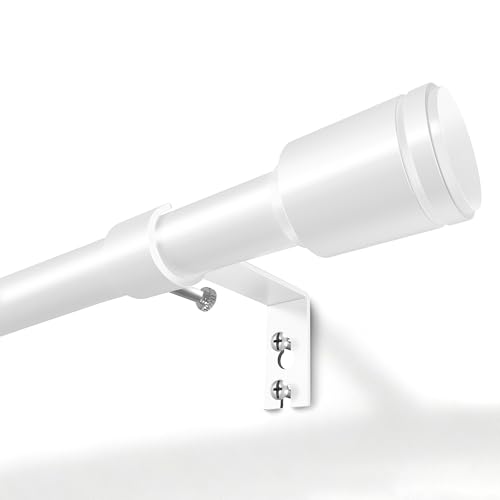
【ADJUSTABLE LENGTH】Composed of 5/8 diameter curtain rods, the small curtain rod is ranging from 30 to 60 inches in length, suitable for windows ranging from 30 to 54 inches. Comes with 4 rods that need to be screwed together, not 2 poles