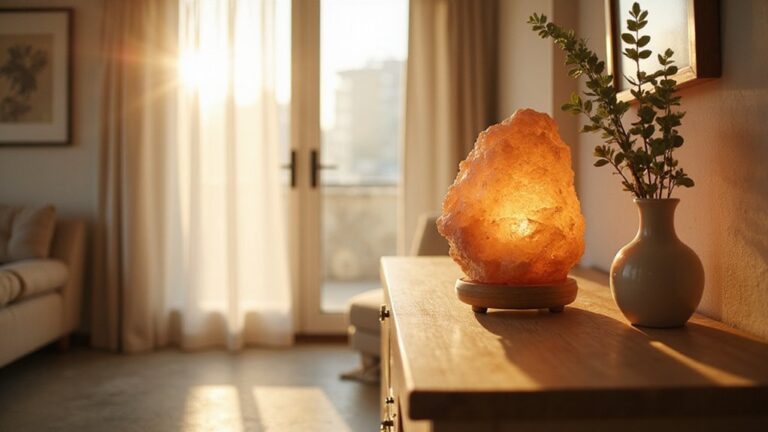
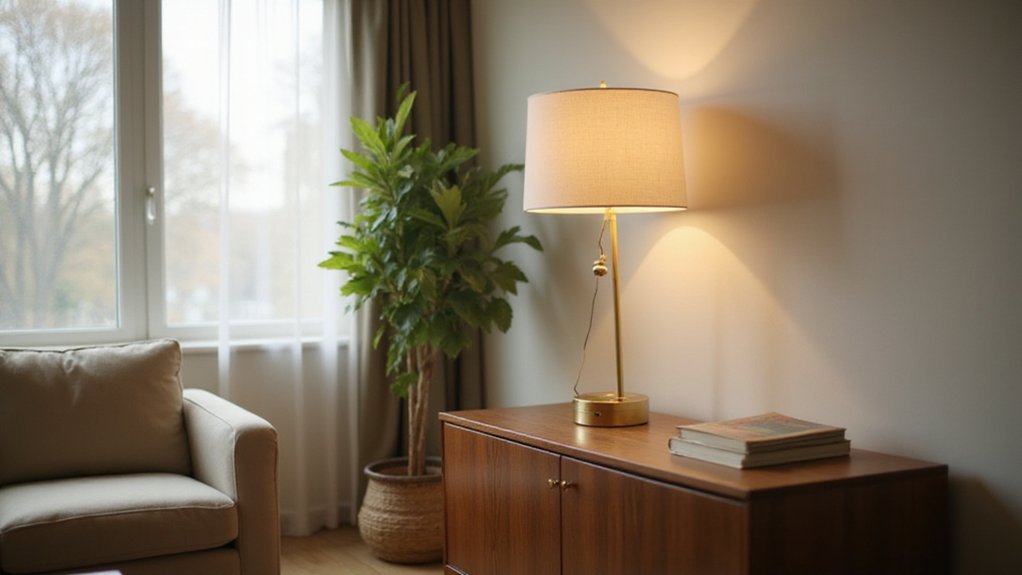
Figuring out whether to rely on a lamp or a table for your lighting needs can be confusing. The best choice depends on what you want to achieve in a space, whether focused task lighting or a broad ambient glow.
You can often combine both for a balanced effect.
Stay with me — the full guide below will help you understand how to layer and position your fixtures for the perfect light.
When to Choose a Table Lamp (And When to Skip It)
Use a table lamp for focused task lighting such as reading or detail work. Look for a model with an adjustable head or a directional shade to direct light precisely where you need it. Avoid relying solely on a table lamp for comprehensive room illumination; ceiling lights or floor lamps are more efficient for that purpose. The shade bottom should be positioned at eye level to prevent glare, so measure your table and lamp combined height to ensure it falls between 58 and 64 inches from the floor. Match the lamp’s style with your decor—modern shapes for contemporary interiors, traditional designs for classic spaces. For nightstands, select lamps that are 24 to 27 inches tall; for end tables, opt for 28 to 34 inches. Just as choosing between a desk or vanity depends on your primary needs, selecting the right lamp height hinges on the table’s intended use. Light-colored fabric or frosted glass shades diffuse light softly, creating a cozy vibe, while directional shades allow you to concentrate light exactly where you want it. Remember not to use a table lamp as your only light source; layering it with other fixtures adds depth and avoids dim spots. Two to three lamps are recommended for balanced lighting in larger rooms, as multiple lamps help distribute illumination effectively. If you use LED bulbs in your table lamp, be aware that incompatible dimmer switches can cause flickering and should be matched to the bulb’s specifications. Consider how roller shades block outside light for a similar functional purpose, as they offer adjustable light control for your windows.
Floor Lamps: Brighter Ambience With Bigger Coverage
Floor lamps provide broader coverage and stronger ambient glow than table lamps, making them ideal for overall room brightness. A typical floor lamp can emit between 900 and 1,800 lumens from a single fixture, enough to light a small bedroom or home office as the only light source. LED models are especially energy-efficient, delivering over 2,000 lumens without significantly increasing your electricity bill. Taller models, around 67 inches in height, should be placed in dark corners, positioned 20 to 30 centimeters from walls to reflect light evenly across the space. Selecting frosted linen shades with bulbs in the warm 2700K to 3000K range creates a cozy, diffused ambiance. Adjustability features like dimmer switches help you tailor brightness levels, and directing the shade downward provides accent lighting that highlights focal points. For stability, choose lamps with a sturdy 12 to 16 inch base, especially if children or pets are part of the household. For those seeking even more flexible coverage, cut LED strip lights can be strategically placed to extend ambient light along baseboards or shelves.

[Elegant Design Modern Floor Lamp] Onewish white floor lamp gives it a sleek and modern appearance that can complement various interior design styles. It blends well with different color schemes and provides a clean and contemporary aesthetic. Perfect for living room, bedrooms, dining room, office, kitchen, corridor, cafe, library and reading room.

【Black Floor Lamp with Modern Design】 - Our floor lamp design style is simple and modern, and can match different styles of furniture you want. Tall lamp will transform your home decor into a rustic and farmhouse atmosphere. Black standing lamp fits perfectly in your living room, bedroom, corner or office and takes up very little room and has a classy, retro look to it. Floor lamps for living room both blends in and provides unassuming accent to the space.

Timeless Mid-Century Elegance: Perfect for rooms up to 200 sq ft - this sleek gold/brass finish floor lamp adds warmth and sophistication to any space. Its minimalist design complements both modern and traditional interiors, making it an elegant statement piece for your living room, bedroom, or office
Match Lumens and Color Temp to Each Room’s Purpose
Matching lumens and color temperature to each room’s purpose ensures optimal lighting. For a living room where relaxation is key, aim for 1,500 to 3,000 lumens at a warm 2700K to 3000K. This creates a cozy, inviting atmosphere without being too harsh. Kitchens require brighter lighting—3,000 to 4,000 lumens at 3500K to 4100K—to provide clear visibility during food prep. In a home office, choose 3,000 to 4,000 lumens at cooler 5000K to 6500K to enhance focus and reduce eye strain. Decorative accents, like candles, thrive at under 2000K—candles at this color temperature deliver intimacy and mood without overwhelming the space. For a seamless ceiling integration, drop ceilings offer a practical way to install these lighting adjustments at the correct height and spacing. To control such lighting from two locations, installing a three-way dimmer provides versatile adjustability for both brightness and ambiance. Selecting LED bulbs rated for these specific lumen and Kelvin values maximizes efficiency and longevity.
Prioritize energy-efficient LED bulbs that meet these lumen and Kelvin targets. Proper task lighting in bathrooms should deliver 2,000 to 4,000 lumens at neutral white, around 4000K, ensuring safety and clarity during grooming. By carefully selecting lighting levels and color temperatures tailored to each room’s function, you can boost both comfort and utility while avoiding over-illumination.

NEUTRAL WHITE LIGHT – 3500K COLOR TEMPERATURE – Designed to provide a comfortable and well-balanced glow, this LED bulb features a 3500K neutral white color temperature. It emits a natural, crisp white light that is perfect for everyday activities, offering a balance between warm and cool tones to enhance productivity and visibility in any space.

5CCT COLOR TEMPERATURE ADJUSTABILITY: Featuring 5 Color Temperature options (2700K Soft White to 5000K Daylight), this BR30 LED flood light bulb lets you create the perfect ambiance for any space. Whether you need cozy lighting for living rooms or crisp, bright light for workspaces, it's all at the flip of a switch.

5 COLOR TUNABLE - Not sure what color a19 LED bulb you want to use in your lamps or home? Enhance your lighting experience with our LED regular light bulbs, equipped with a 5 color temperature switch. Explore a range of options, including 2700K warm white, 3000K soft white, 3500K natural white, 4000K cool white, and 5000K bright white, to customize your atmosphere with ease. Whether you're aiming for coziness, balance, or a clean white light, this bulb provides to your specific needs.
Follow the 1.5 Rule for Lamp Height and Table Width
To choose the correct lamp height for your table, follow the 1.5× rule: the lamp should be no taller than 1.5 times the table’s height. For a table that is 24 inches high, this means a lamp no taller than 36 inches. This proportion ensures the lamp doesn’t overpower your furniture and maintains a balanced, harmonious look in your space.
Keep the bottom of the lamp’s shade at or just below eye level when seated—roughly 42 to 48 inches from the floor—to prevent glare. The shade width should be less than the table’s width, leaving at least three inches of space on each side to avoid visual clutter. For nightstands, limit the base to about one-third of the table’s width for stability and proportion. Vaulted ceilings can make lighting placement more challenging, as the height difference often requires careful attention to proportion and scale. Following these guidelines helps create a safe and aesthetically pleasing setup that complements your room’s dimensions.

QUALITY CONSTRUCTION: JONATHAN Y table lamps designed to illuminate your home, stylish addition to any room; included LED bulbs and our lamps fit standard light bulbs too! ETL Listed and meets 120-volt UL standards for safety and quality

Classic Stacked Wood Turned Design: No more boring flat lamps that lack character. This vintage table lamp features a multi-layered silhouette of rounded spheres, stepped rings, and tapered columns – a timeless antique lamp silhouette inspired by farmhouse candlesticks. Ideal for living room lamp setups, rustic lamp lovers, or adding retro lamp charm to your nightstand.

COMMANDING ROOM PRESENCE - Elevate your living room or entryway with a visually striking 36 inch tall table lamp that beautifully balances grand headboards and large console tables
Layer Both Types for Balanced 30-50-20 Lighting
Layering ambient, task, and accent lighting in a 30-50-20 ratio creates a balanced and inviting space. Allocate 50% of your lighting to ambient overhead fixtures, which provide general illumination without dominating the room. Assign 30% to task lighting from table lamps, essential for activities like reading and working, and 20% to accent sources like floor lamps, which add visual interest and highlight key features. This distribution prevents the space from looking flat or overly harsh. For a tidy approach, consider using purse organizers to keep your bag tidy while you focus on lighting. For added reliability, you can also review a guide to the best night lights to choose a quality model that enhances your space. A key step is to sort and declutter your closet space before organizing any accessories.
Position table lamps near seating areas to ensure ample task light where you need it most. Mixing different styles—such as a sleek floor lamp for accents and a classic table lamp for reading—helps fill vertical gaps and adds layered depth to your lighting scheme. Incorporate dimmers on overhead lights to adjust the mood easily, and choose warm bulbs in the range of 2700K to 3000K to maintain a cozy atmosphere. Use accent lights to highlight art or architectural features, making sure they complement rather than clash with other light sources. This trio of lighting layers guarantees every corner is both functional and welcoming.

【Energy Saving】:40 watt light bulbs replace 40W traditional incandescent lamps, enjoy bright lighting while dramatically lowering your electricity bill, saving 90% of energy

2700K Soft Warm White Low Lumen Bulbs: A not cool white or too bright, Dim LED Filament bulbs with 150 lumens, CRI>95, provides you a cozy and romantic environment.widely used in bathroom, bedroom night lights, bedside lamp, chandelier, ambiance lighting,accent lamp table lamp replacement item: 41267, 97491, 10015
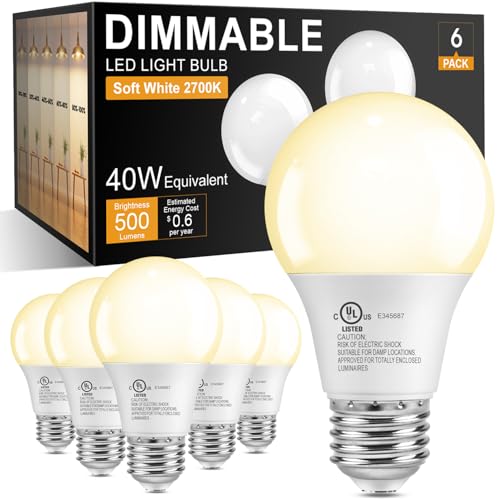
Dimming Range 10%-100%: Dimmable LED light bulbs compatible with most LED dimmers for smooth dimming. Compatibility Note: Best performance with LED dimmers. May flicker with halogen dimmers at low settings. Not for 3-way fixtures. Adjust brightness to control your space's look and feel