Choosing between halogen bulbs and LEDs can feel confusing, especially when energy savings and safety are top concerns.
LEDs typically use up to 90% less energy and last over 20 years, making them a smart, long-term choice.
In this article, you’ll discover which type of bulb works best for each space and why LEDs are often the better option.
Why Halogen Bulbs Are Being Replaced by LEDs
Halogen bulbs are being replaced by LEDs because they are significantly more energy-efficient and safer. Halogens convert only 10–20% of electrical energy into visible light, with the rest wasted as heat. This inefficiency effectively means you’re paying for a heating source rather than just light. Regulations around the world have targeted this wastefulness; for instance, the EU banned halogens in 2018, and U.S. standards now require at least 45 lumens per watt, phasing out inefficient bulbs from 2023 onward. For those tackling home upgrades like old window treatments, learning how to remove window film yourself can similarly reduce waste and improve efficiency. LEDs also offer superior color rendering that makes objects appear more vibrant than with halogen light. Just as upgrading your lighting improves a room’s atmosphere, choosing the right vanity or desk can transform the functionality of your personal space.
In addition to energy savings, LEDs provide much better control over color temperature, allowing you to choose daylight white, warm amber, or even customizable tones. They also reduce flickering, eliminating the distracting strobe effect that halogens sometimes produce. Because halogen bulbs run hot, they pose fire risks and emit ultraviolet rays that can cause fabrics to fade. LEDs stay cool during operation, last up to 50,000 hours—about 20 times longer—and greatly reduce electrical waste, making them a safer, more durable, and cost-effective lighting choice. Instead of fragile, short-lived bulbs, you get an instant-on, long-lasting lighting solution that keeps your space well-lit and energy-conscious. However, LEDs still require effective heat management to avoid lumen drops and power reduction from heat saturation, so proper heat sink design is crucial for maintaining stable performance.

【Energy Efficiency】: EVELOR A19 LED light bulb is an energy-saving 9W (60W equivalent) bulb, saving up to 90% energy compared to traditional incandescent light bulbs 60 watt. The led lamp bulb is designed to be highly efficient, making it an ideal replacement for old-fashioned bulbs.Gift options for Christmas and other festivals.

Energy Saving 100 Watt Light Bulb: Replace 100-125 watt incandescent bulbs with 15 watt energy-efficient LED bulbs can help you save up to 90% in energy. The estimated annual energy cost is $1.81. LED light bulbs have powerful heat dissipation, providing the same brightness but less heat

60W Incandescent Replacement Bulb: A19 LED bulbs are more energy efficient than incandescent bulbs but generate less heat. No lead or mercury, no IR radiation. It provides a comfortable lighting space and protects our visual health at the same time
How LED Bulbs Save You Money Every Month
Replacing your five most-used bulbs with LED equivalents can save you up to $75 each year. If you switch every bulb across your home, your annual savings can range from $150 to $300. As a result, your monthly lighting bill drops to approximately $5 to $6. The initial cost of each LED bulb, typically $3 to $5, quickly pays off through these lower utility expenses, usually within six months. Additionally, LEDs last much longer than traditional bulbs, reducing the need for frequent replacements and saving you money on bulb purchases over time. The consistent savings and longer lifespan make LEDs a smart choice for your home budget. For instance, a 65W LED floodlight replacement uses just 9 watts, costing about $2 per year to operate. Proper installation of curtain rods in sheetrock ensures your window treatments hang securely alongside your efficient lighting upgrades. Using a step-by-step organizing method can help you streamline your closet alongside these lighting improvements. To maintain consistent performance, LED bulb flickering can often be fixed by checking for a compatible dimmer switch.

60W Incandescent Replacement Bulb: Replacing 60 watt incandescent bulbs with 9 watt energy-efficient LED bulbs can help you save up to 85% in energy. The estimated annual energy for LED bulbs is 1.08 dollars. LED light bulbs feature robust heat dissipation, delivering equivalent brightness while generating less heat

【Efficiency Meets Comfort】 Dalattin's A19 engergy saving LED bulbs replace 60W incandescents with just 9W while delivering full 800 lumens brightness, slashing energy usage by up to 85%. This eco-conscious choice not only saves you approximately $1.08 annually per bulb but also ensures a cooler operation,and enhancing safety. With a lifespan of up to 13.7 years (at 3 hours daily use), they provide a lasting, no worry experience.

【Energy Efficient & Cost Effective】Reduce energy consumption significantly—each bulb uses only 8 watts while providing 750 lumens of brightness, equivalent to a standard 60W bulb. With an estimated yearly energy cost of $0.96 per bulb, Sigalux A19 LED Bulbs offer both immediate and long-term savings on household electricity expenses.
LED vs. Halogen Lifespan: Years vs. Decades
LEDs last up to 50,000 hours, which translates to decades of reliable use, compared to halogen bulbs that typically last only 500 to 2,000 hours or about 1 to 2 years with regular use. Halogens degrade quickly, losing 70 to 80 percent of their brightness before burning out. LEDs, on the other hand, maintain 70 to 80 percent of their original brightness over their lifespan, losing only 20 to 30 percent. Once installed, an LED usually doesn’t need replacement for 10 to 20 years, saving you time and the hassle of multiple bulb changes. Halogen bulbs require replacement every year or two, leading to higher ongoing costs and more frequent maintenance. When weighing style, cost, and function, LEDs offer clear advantages over the shorter-term trade-offs of halogen bulbs.

【Ultra Bright LED Garage Light】POLARPRA 160W LED garage light comes with 312PCS top quality LED diodes with new designed as 6+1 panels ultra-bright adjustable LED panels support 16000 lumens, CRI80+, 6500K daylight natural light. Turn a dark garage into noon-time sunny with no dark spaces, flicker or glare.

【Ideal and Safe Beam】- The H4 9003 LED bulbs adopt the same halogen emitting position design. Perfectly match the halogens’ beam pattern. Ensure optimal light shape and focused light

【Dimmable E26 Bulb】 S14 light bulbs with a plastic high clear shell are a reliable and drop-resistant alternative to glass bulbs. Dimmable edison light bulbs would be perfect Christmas decoration lights for your garden, backyard and balcony terrace, they are also an excellent decorative lighting for indoor wedding party
Why Heat Output Matters for Safety and Comfort
Heat output is critical for safety and comfort because halogen bulbs convert approximately 90% of their energy into intense heat, reaching temperatures up to 1,200°F. This extreme heat creates serious burn and fire hazards in your home. Touching a halogen bulb during operation can cause immediate, severe burns, while the high temperatures also increase the risk of igniting nearby curtains, furniture, or wood surfaces. Because of these dangers, strict temperature regulation and clearances are necessary to prevent accidents, adding worry and maintenance to your lighting setup. For example, dust buildup on halogen bulbs can further increase fire risk, whereas fabric roller blinds require only gentle vacuuming and spot cleaning to stay safe. Switching to LED lighting eliminates these risks, as LEDs stay cool enough to touch even after hours of use, emitting only about 10% of their energy as heat. For those seeking optimal performance and value, LED night lights provide superior quality without the safety concerns of halogen alternatives. This drastic reduction in heat output minimizes fire hazards, reduces the need for constant placement management, and ensures a safer, more comfortable environment for you and your family. In contrast, the intense heat of halogen bulbs can also damage nearby accent chairs and other home furnishings, making cool-running LEDs a smarter choice for protecting your décor and ensuring comfort.
Does Upfront Cost Really Matter? The True Cost of LED vs. Halogen?
The upfront cost of LED bulbs is higher but pays off quickly. While halogen bulbs cost about $2 to $8 each, LEDs range from $5 to $20. Despite the higher initial expense, LEDs typically repay their cost in less than 6.3 months if you use them for about 4 hours daily. Over a span of 10 years, one LED bulb totals around $15.40 in cost, whereas halogen bulbs can cost at least $61 because of more frequent replacements. Halogen bulbs need replacing every 8 to 12 months, while LEDs last between 5 and 10 years. Installation may seem complicated, but it’s a one-time process. Additionally, LEDs offer adjustable color temperature, giving you better control over lighting ambiance. Overall, the long-term savings make LEDs the smarter financial choice.
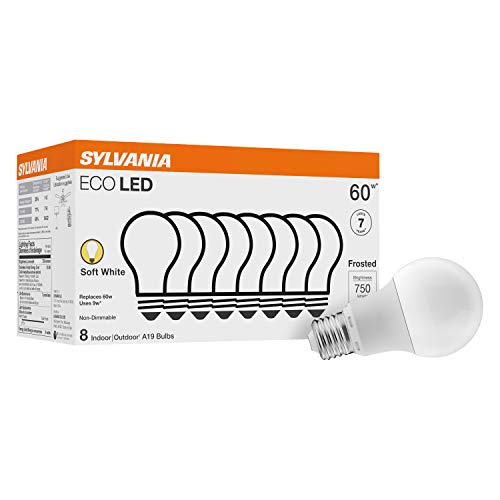
60W INCANDESCENT REPLACEMENT BULB - This LED lamp is an energy-efficient replacement and substitute for standard 60-watt incandescent lamps. At 9 watts, it emits a soft white output of 750 lumens and a temperature of 2700K.

Replacement Soft White Bulbs: Make your home more energy efficient with our soft white LED light bulbs; Relax HD Light Bulbs offer a warm, soft white light that is perfect for comfortable moments and cozy spaces

10000 Hours Lifespan: Each bulb has an impressive lifespan of 10,000 hours, lasting over 9 years based on 3 hours of daily usage.
Warm Halogen vs. Customizable LED: Which Looks Better?
Customizable LED lighting offers far greater aesthetic flexibility compared to halogen bulbs. While halogen bulbs produce a consistently warm, natural glow with a CRI above 95—ideal for creating cozy atmospheres—LEDs allow you to adjust color temperatures from about 2700K for warm ambient light to as high as 5000K for bright daylight, perfect for task-oriented settings. Halogen’s color rendering is excellent for art or photography, but its fixed tone limits your options. In contrast, LEDs let you switch scenes effortlessly, from soft and relaxing to sharp and focused, without needing to change bulbs. Modern LEDs also now reach CRI values above 90, narrowing the fidelity gap with halogen. Though the nostalgic warmth of halogen is appealing, customizable LEDs are better suited for environments where mood and functionality change frequently, providing you with more control and adaptability. For a DIY project, if you choose a dimmable LED bulb, you should consider installing a dimmer switch to achieve smooth light level adjustments. Building a hanging pendant light allows you to pair your chosen LED source with a custom fixture that matches your decor.
Best Bulb for Every Room (Kitchen, Bathroom, or Workshop)
For your kitchen, choose LED bulbs that deliver between 1,100 and 1,600 lumens with a color temperature of 3,500K to 4,000K. This range provides bright, crisp light ideal for meal prep and cooking tasks. If you want to highlight recipes or improve color accuracy for chopping and knife work, daylight bulbs at 5,000K are a good choice, as they offer excellent color rendering. While halogen bulbs produce true color, they are less energy-efficient and generate more heat, making LEDs the better long-term option for your kitchen lighting.

Sunco 12 Pack BR30 LED Bulb Flood Light, E26, 11W=65W, 5000K Daylight

5 COLOR TUNABLE - Not sure what color a19 LED bulb you want to use in your lamps or home? Enhance your lighting experience with our LED regular light bulbs, equipped with a 5 color temperature switch. Explore a range of options, including 2700K warm white, 3000K soft white, 3500K natural white, 4000K cool white, and 5000K bright white, to customize your atmosphere with ease. Whether you're aiming for coziness, balance, or a clean white light, this bulb provides to your specific needs.

【Vintage LED Edison Bulbs - Decorative Filament Lighting】 More than just a light bulb, it's a piece of decor. This edison bulb combines the vintage styling of a glowing Edison filament with the energy-saving benefits of modern technology, creating a cozy, inviting atmosphere in any space. Note: This E26 LED bulb is not dimmable, please do not use them with dimmer switch.
What to Know Before Switching to LEDs
You should choose a color temperature between 2,800 and 3,000 kelvins for a neutral light similar to halogens. Warmer glows come from around 2,000 kelvins, creating a cozy atmosphere, while cooler light at 4,000 to 4,500 kelvins works well for task lighting and spaces where you want a bright, invigorating environment. Picking the right temperature helps ensure your space feels comfortable and visually balanced. A dimmer switch can further enhance your lighting by adjusting brightness levels to match any mood or activity. For those seeking a dual-purpose fixture, an ottoman can offer both hidden storage and a comfortable seat, much like a well-chosen bulb combines efficiency with the right light.