Ever wondered how long you can leave your lava lamp on without risking damage? The quick answer is typically around 8 to 10 hours for most standard-sized models. Running it longer than that can cause overheating and harm the wax or glass.
Keep reading to learn the best practices for safe, long-lasting lava lamp fun.
How Long Is Too Long? The Lava Lamp’s 8-to-10-Hour Rule
Most manufacturers recommend not running your lava lamp for more than 8 to 10 hours at a time. Going beyond this limit causes the wax inside to overheat, which can turn the mesmerizing blobs into a single, floating mass instead of the usual dynamic motion. Overheating also shortens the overall lifespan of your lamp. Similarly, flickering in the lamp’s bulb may indicate loose connections or voltage fluctuations, which can be addressed by checking the socket. Larger decorative models, like the 27-inch variants, need the full 8 hours to warm up properly, but it’s still important to turn them off afterward. Avoid using alternative power sources such as timers or dimmers to extend running time, since these don’t prevent overheating and can damage your lamp. For optimal safety and longevity, choose a model with consistent quality and performance like those highlighted in night light reviews. Always let the lamp cool completely for at least an hour before turning it back on to ensure safe operation. For a room where both style and function matter, consider whether a vanity or desk is the better fit for your space.
What Happens When You Run a Lava Lamp 24/7?
Running a lava lamp 24/7 causes immediate and long-term damage. The continuous heat build-up overheats the wax inside, which leads to color fading and cloudy separation that spoils your lamp’s aesthetic. Without giving the wax a chance to cool and re-set, the flowing motion will disappear permanently. The constant heat also puts stress on the glass, increasing the risk of cracks or shattering. Additionally, the bulb’s lifespan drastically reduces—you can expect to burn through it in around 42 days. Manufacturers recommend limiting operation to 8–10 hours at a time because exceeding this increases the risk of electrical faults and fire hazards. Unlike lava lamps, Himalayan salt lamps can be left on continuously for subtle ambient lighting without causing internal damage. Running your lava lamp nonstop isn’t just unsafe; it significantly shortens its lifespan and ruins its visual appeal. For comparison, installing a wall sconce involves wiring and mounting that avoids the continuous thermal stress found in constantly running lava lamps. If you prefer a custom workspace, building a DIY desk vanity from scratch can provide a functional surface without the heat-related risks of a lava lamp.
5 Signs Your Lava Lamp Is Overheating Right Now
Your lava lamp is overheating right now if the glass becomes too hot to touch—you should only be able to hold your hand on it for a second or two. Overheating can also cause color shifts in the wax, signaling chemical breakdown from excessive heat. Watch out for cracking wax or strange bubbling patterns, as these are clear signs the lamp has surpassed its safe temperature range. If you notice wax clumping at the top and refusing to flow downward, the heat is likely too high. Additionally, when the lava settles flat at the bottom with no movement even after hours of use, it’s a sign of overheating. Overheating symptoms include rapid tiny bubbles or persistent large blobs at the bottom, as noted in standard behavior guides. Strong chemical smells or visible damage to the glass also indicate trouble. In these cases, unplug your lamp immediately to prevent further damage or safety hazards. A lava lamp that has truly gone bad may show permanent chemical breakdown of the wax or liquid, rendering it irreparable.

Quick Preheat: The E17 lava lamp bulbs generate a large amount of heat and heat up quickly, The heat of the 25W lava bulb is evenly distributed to your lava lamp. The stable heating lamp glitter bulb is designed with high efficiency to reduce power consumption and provide long-lasting brightness

PERFECT HEAT FOR OPTIMAL WAX FLOW: Engineered specifically as a lava lamp light bulb replacement, this 30W R39 reflector bulb generates the precise heat required to melt wax evenly. Say goodbye to sluggish blobs; our lava lamp bulbs ensure your lamp reaches the ideal temperature quickly for mesmerizing, continuous motion.

Purchase Note: This E17 S11 bulb socket may not fit all vintage lava lamps. Be sure to check your lamp's model and specifications before purchasing
Does a Dimmer Switch Let You Run Your Lava Lamp Longer?
Yes, a dimmer switch can allow you to run your lava lamp for up to 12–14 hours instead of the usual 8–10 hours. It achieves this by lowering the bulb’s power, which decreases heat output. This is particularly important for lava lamps with ceramic or resin bases, as excessive heat retention could cause overheating or damage. To use a dimmer effectively, start by turning it to 100% for the first two hours so the wax can flow smoothly. After that, gradually reduce the brightness to around 80% for standard-sized lamps or 50-60% for larger globes. This adjustment not only extends your lamp’s run time but also helps preserve its vintage look by minimizing thermal stress. Keep in mind that a dimmer does not prevent the wax from wearing out over time, so it’s still necessary to allow the lamp to cool completely between sessions.

Plug-in dimmer features full range dimming with a quiet slide control and no humming noise. Dim lights from 10% to 100%

CONVENIENT – an easy way to create a big impact for a minmal cost and customize the light level in any room, for any occasion and in any home

Plug-in dimmer features full range dimming with a quiet slide control and no humming noise. Dim lights from 10% to 100%
Why Smaller Lava Lamps Need Shorter Run Times
Smaller lava lamps, like those around 14.5 inches tall, need shorter run times—about four hours—to prevent overheating. Their limited thermal capacity means they heat up quickly and reach their flow limit sooner. The compact glass globes trap heat efficiently, but this also reduces their ability to dissipate heat, leading to faster temperature spikes. Poor lighting design, such as minimal surface area for cooling, worsens this issue, causing internal temperatures to rise rapidly.
Material quality plays a role as well. Cheaper wax formulations tend to break down faster under prolonged heat, which can lead to cloudy wax and tiny bubbles in the lava. To avoid damage, it’s best not to let your smaller lamp run longer than four hours. Always keep an eye on the base temperature—a quick touch can help monitor overheating—and stick to shorter cycles for the lamp’s longevity.
Can Air Conditioning Really Give You 24+ Hours of Run Time?
Yes, running your lava lamp with air conditioning can extend its operation beyond 24 hours. Lowering the room temperature helps reduce heat buildup inside the globe and at the base, which prevents the wax from overheating and slows down the overall wear on the components. This stable, cool environment allows the lamp to operate continuously longer than the typical 8–10 hours recommended by manufacturers. However, avoid pointing the AC directly at the lamp, as uneven cooling might disrupt the color variations and the aesthetic effect. For optimal results, consider the perfect curtain rod placement to ensure the air conditioning unit’s airflow is directed away from the lamp, maintaining a stable ambient temperature. Using basic woodworking tools to build a simple rack can help elevate the lamp away from direct drafts for better airflow. Keep a close eye on the lamp’s temperature—if it feels excessively hot, turn it off immediately and give it at least a full day to cool before restarting. Even with these precautions, pushing the lamp beyond its intended runtime carries risks like cloudy wax, faster bulb failure, or overheating.
How to Split Your Lava Lamp Day Into Safe, Shorter Cycles
To split your lava lamp day into safe, shorter cycles, aim for about 6 hours per cycle for a 17-inch model. This duration allows the wax to reach its melting point and creates the mesmerizing flow without risking overheating. After each cycle, give your lamp a cool-down period of 1 to 2 hours before starting another. In the evening, you can run a second 5-hour cycle to enjoy the full color transformation. Using a timer or smart plug helps automate these cycles, ensuring consistency. For smaller 14.5-inch lamps, keep each cycle to around 4 hours to prevent damage and extend lifespan. This approach maintains optimal temperature levels, avoids tiny bubble formation, and keeps your lamp functioning beautifully over time. Most manufacturers recommend no more than 8-10 hours of total operation to prevent overheating and potential hazards. The standard 17-inch size typically takes 1-2 hours to fully warm up. When selecting your lamp’s location, consider that faux wood vs. wood blinds offer different heat resistance for nearby windows. A DIY wood shoe rack built nearby should be placed at a safe distance to avoid heat exposure to the lamp’s surface.

This Rose Gold and White Lava Lamp comes included with everything you need for assembly. You'll have no problems lighting up the room with this lamp that comes with a globe, base and cap, and a bulb.
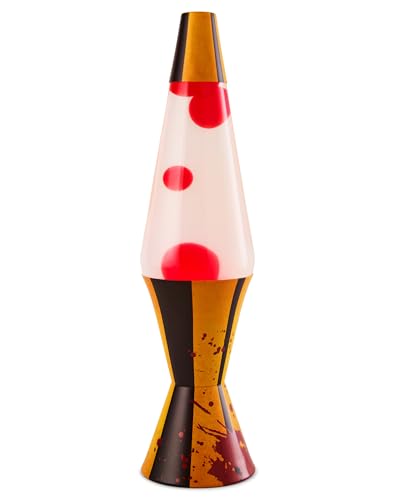
Decorate your home in style with this lava lamp that measures 17" H x 4" W x 4" D. This lava lamp is the perfect size to display on a desk, shelf, or table in any room in your home.

✮Transformative Lighting Experience✮ Elevate your home ambiance with our magma motion Lamp. This modern twist on the classic magma motion lamp allows you to select your favorite colors and modes(FLASH,STROBE,FADE ,SMOOTH) with a convenient remote control. Whether you're setting the mood for a relaxing evening or energizing your workspace, our lamp's dynamic lighting is sure to captivate and enhance your environment.
How Long Should You Let Your Lava Lamp Cool Down?
Allow your lava lamp to cool down for at least 1 to 2 hours between use cycles. This cooling period helps the wax reset and the glass to return to a safe temperature, preventing overheating that could damage the lamp. If you’ve run the lamp for an extended period, such as 8 to 10 hours straight, extend the cooling time to 6 to 10 hours. Overheated or cloudy lamps may need even longer—up to 4 hours for overheating and up to 8 hours if the wax appears cloudy. Patience is key; rushing the cooldown can cause wax damage and compromise the lamp’s appearance. Use a timer to automate shutdowns for safe, consistent cooling and to avoid accidental overheating. Always wait until the glass feels completely cool to the touch and the wax is solid before handling or turning the lamp back on. For comparison, choosing between roller shades and solar shades similarly requires weighing style, cost, and function to ensure the right fit for your space. Using a soldering iron can help create reliable connections for custom lighting setups if you ever extend your DIY workspace. Proper storage of your lamp accessories in under bed storage bins can help keep your workspace organized and hazard-free.
How to Fix Cloudy or Broken Lava Lamp Wax
If your lava lamp’s wax appears cloudy or broken, start with non-invasive reset cycles and an initial waiting period. Let the lamp sit at room temperature for eight hours. Then run the lamp for two hours, turn it off, and allow it to cool completely. Repeat this process if necessary. After that, run the lamp for eight to ten hours to help clear the liquid. If cloudiness remains, turn off the lamp for 24 hours and restart the cycle. This method often resolves issues like color fading or wax discoloration. When cleaning a previously opened lamp, thorough scrubbing with brush and soap removes residues that contribute to cloudiness. Consider the style, cost, and function of your lamp’s placement to ensure its display matches your room’s needs. If your lamp is old or damaged, a DIY approach can save you money compared to buying a new one.
If reset attempts don’t work, you can replace the liquid with distilled water and a surfactant. Add a few drops of clear dish soap or baby shampoo to the water inside the lamp, then run it for several hours. Repeat the process if the wax stays cloudy. Alternatively, adding a few drops of vinegar may help. For stubborn problems, dissolve salt in water and add it drop by drop along the side of the bottle, waiting between additions. This gently adjusts the liquid’s density without disturbing the wax.
The One Mistake That Shortens Your Lava Lamp’s Lifespan
Running your lava lamp for more than 8 to 10 hours continuously can significantly reduce its lifespan. Overheating occurs when the wax inside the globe exceeds its ideal melting point, causing permanent damage to the wax and liquid. Even just 6 hours of daily use already begins to strain the lamp. To prevent overheating, it’s important to allow the lamp to rest for 3 to 4 hours between sessions. Using a timer is a simple way to manage this. Additionally, avoid using bulbs with wattage higher than recommended or placing the lamp near heat sources, as both can accelerate overheating and damage. A useful approach is to repurpose a small closet organizer to store your lava lamp away from direct sunlight and heat vents. If the lamp does break or you need to dispose of the old lamp completely, you can follow specific step-by-step instructions to handle the glass and liquid safely. Proper mounting hardware is essential when hanging a full-length mirror to ensure it stays securely on the wall. Following the manufacturer’s guidelines on runtime limits helps ensure your lava lamp remains beautiful and functional for longer.