Wondering how to keep your cellular shades looking fresh without too much hassle? Regular dusting and gentle cleaning can make a big difference in maintaining their appearance and functionality.
Knowing the right way to clean without damaging the honeycomb structure is key to preserving their insulation and style. Keep reading to learn simple tips for easy, effective care.
Start Here: Why Dusting Wrong Can Ruin Your Honeycomb Structure
Dusting incorrectly can damage your honeycomb shade’s delicate structure. Always follow the pleat lines; moving vertically on horizontal pleats puts stress on the walls and can cause them to weaken or warp. Wiping in multiple directions misaligns the honeycomb pockets, disrupting their insulation properties and overall appearance. Skipping the top-to-bottom dusting approach allows dust to settle back onto the fabric, leading to repeated cleaning cycles that can wear out the material faster. Moisture is another major concern—soaking non-washable shades causes the fabric to warp and lose its shape, while using harsh chemicals with coatings can degrade the finish and void your warranty. To prevent these issues, always ensure the fabric is completely dry before operating the shade, avoiding permanent shape loss or damage. A similar principle applies when building DIY projects, where using LED strip lights requires careful handling to avoid damaging their delicate adhesive backing and circuitry. For example, just as a tungsten bulb produces more heat that can affect nearby materials, choosing the wrong cleaning method for your shades introduces unnecessary thermal and structural stress. For a more durable and evenly distributed light source, consider switching to an LED ceiling fixture instead of harsh spotlights.
How to Safely Dust Your Cellular Shades Without Damaging the Fabric
To safely dust your cellular shades without damaging the fabric, start by dusting them weekly with a feather duster or a soft-bristled brush. Always work from top to bottom along the honeycomb lines to follow the pleat direction. Moving with the fabric’s natural fold helps prevent debris from being forced into the cells. For quick debris removal, a microfiber cloth works well; apply only light pressure to avoid deforming the fabric. To prevent buildup, stick to your cleaning schedule, as accumulated dust can grind into the material over time. For interior dust, use compressed air—angle short bursts outward from the cell openings, keeping the nozzle a few inches away to prevent cold shock or damage. Avoid using moisture or wet cleaning tools, as dry dusting maintains fabric integrity and keeps your shades looking fresh and functioning properly. Using the vacuum’s brush attachment prevents fabric damage by ensuring a gentle sweep across the surface. When choosing a workspace, evaluating style and function helps ensure your furniture meets both your aesthetic and practical needs. For a comprehensive clean, consider using a top purse organizer to store your cleaning tools neatly near the shades. To maintain optimal light control and efficiency, consider how brightness and color temperature affect the room’s ambiance.

【Comfortable Handle】The handle of the duster is made of high-quality plastic with a streamlined design, providing a comfortable grip and preventing fatigue.

Easily captures dust particle without the use of harsh chemicals

【Special Dual-Head Design】The dual-head brush design simplifies the entire dusting process. One side is suitable for large-area dusting, while the other side is designed to tackle dirt in narrow gaps or crevices. It's reusable and space-saving.
When and How to Vacuum Cellular Shades for Best Results?
Vacuum your cellular shades weekly for the best results. While dusting helps remove surface debris, vacuuming reaches deeper into the pleats where dust tends to settle. This routine prevents dust from grinding into the fabric fibers, which can reduce the durability of your shades over time. Always fully extend the shade and set your vacuum to the lowest suction setting. Attach the soft brush attachment to gently work along the pleat lines in light, horizontal strokes. Be sure to clean both sides, paying extra attention to edges and corners where dust is more likely to accumulate. This method focuses on removing surface dust to maintain cleanliness and prevent buildup over time. Unlike LED bulb flickering, which often stems from incompatible dimmers, shade maintenance does not require electrical troubleshooting. Understanding the role of ambient light can help you position your shades to enhance natural illumination while keeping them clean. For cellular shades specifically, avoid using corded mechanisms that can trap dust and require more careful cleaning. After vacuuming, lift the shades for a few hours to help the cells maintain their shape. Regular weekly vacuuming is essential for keeping your cellular shades clean and looking their best without risking damage.

Horse Hair Vacuum Brush Attachment : Upgrade For Your Shark Vacuum Cleaner With This Horse Hair Vacuum Attachment kit. It Converts Your 1 1/4" Tool To Fit 1 1/2" Vacuum Hoses, Providing A Universal Fit For All Your Cleaning Needs.Fits handle or hose tube outer Diameter sizes 1.25in and 1.35in ±0.05in.

DOUBLE THE HORSEHAIR = SUPERIOR CLEANING POWER - Engineered with extra-dense, double-fill soft horsehair bristles for deeper dust pickup while remaining gentle on delicate surfaces.

Round dusting brush made of soft natural bristle and plastic material, good quality.
The Proper Technique for Spot Cleaning Stains on Honeycomb Shades
To effectively spot clean stains on honeycomb shades, start by vacuuming any loose dust or debris from the surface. Dampen a microfiber cloth with a mild detergent solution—dip it lightly into the bubbles, not the liquid—and ensure it is barely moist. Gently blot the stain from the edge inward to prevent spreading, avoiding any rubbing or scrubbing that could damage the fabric. After the stain has been lifted, use a clean, barely damp cloth to rinse the area and remove any soap residue. Blot again with a fresh cloth to extract excess moisture. For stubborn stains, a dampened melamine sponge can be effective, but be sure to test it on an inconspicuous area first as it may act like a fine abrasive similar to those used during surface preparation. This spot cleaning method is suitable for high-traffic areas as the shades are resistant to daily messes and stains. This technique mimics the gentle blotting method recommended for attaching light fixtures to delicate surfaces. Remember to avoid bleach, ammonia, or soaking the shades, as these can harm the fabric and void your warranty. For a more thorough fix, always use the appropriate tools like a soft brush and mild cleaner, just as you would when repairing furniture.

Premium Ultra-Soft Microfiber: Effortlessly removes fingerprints, smudges, oil, and dust without scratching—leaving lenses and screens spotless and streak-free.

Premium Materials: Extremely high-quality, soft, microfiber material absorbs and removes dust, oil, smudges, fingerprints, and dirt. Leaves no scratches, streaks, marks, or lint. Makes the perfect stocking stuffers for adults, men, women, him, her, teens, and more.

UNPARALLELED CRYSTAL-CLEAR PERFORMANCE: The only obsessively engineered, best-in-class microfiber cleaning cloth, meticulously crafted from proprietary, ultra-dense, super-absorbent Japanese woven fabric, effortlessly absorbing the toughest dirt, grime, and oils - leaving your lenses spotless - every time.
How to Dry Your Shades After Cleaning to Avoid Warping?
After cleaning your cellular shades, it’s crucial to dry them thoroughly to prevent warping. First, gently blot any excess moisture using a dry cloth or sponge—avoid rubbing, as this can stretch or distort the fabric. Keep the shades fully raised and extend in a well-ventilated area to allow even drying. Position a fan nearby to circulate cool air across the pleats, which speeds up evaporation without risking color fading caused by heat. If you’re in a hurry, a hairdryer set on the cool, low setting works well; hold it about 6 to 8 inches from the fabric and move it continuously to prevent uneven drying or warping. Never lower or operate the shades until they are completely dry, as humidity slows the drying process and increases the chance of distortion. Dry weather or a low-humidity room provides the best environment for drying cellular shades safely.
Why Too Much Water Ruins Your Cellular Shades (and How to Avoid It)
Excessive water can ruin cellular shades by causing permanent damage to their structure and appearance. When you overuse water during cleaning, the honeycomb cells can warp or collapse, reducing their insulating ability. Stains that soak in deeply become stubborn and resist removal. Internal metal components, such as springs and cords, are vulnerable to rust if exposed to too much moisture, which can lead to mechanical failure. In contrast, fabric roller blinds tolerate slightly more moisture but still require careful techniques to avoid warping and rust. A similar precaution applies when hanging a pendant light, where excessive moisture can damage electrical connections and fixtures.
Additionally, water damages the fabric itself. Moisture penetrates the layers, causing blackout fabrics to delaminate and discolor over time. This deterioration not only affects the look but also shortens the lifespan of your shades. To avoid these issues, use only a barely damp cloth when spot cleaning—never soak or drip water onto the shades. Be gentle when blotting stains to prevent stretching or pilling. After cleaning, immediately dry the fabric with a clean cloth and raise the shade to allow the pleats to air out for several hours. Remember, the key is to minimize liquid contact and never immerse your shades in water or use excessive moisture during cleaning.
What Cleaning Tools Work Best for Delicate Cellular Fabrics?
Soft, non-abrasive tools are essential for cleaning delicate cellular fabrics. A vacuum equipped with a soft brush attachment set to low suction safely removes dust without damaging the honeycomb structure. Using a gentle feather duster weekly helps prevent buildup, while a microfiber cloth effectively traps particles without scratching the surface. For deeper cleaning, dampen a microfiber cloth until just barely moist, then gently blot stains with a mixture of mild detergent and warm water—avoid soaking to prevent color fading. Immediately after, a dry sponge can blot away residual moisture, and a cool hair dryer will help dry the fabric without heat damage. Compressed air is also effective for dusting without contact, maintaining the integrity of the fabric. Choosing these gentle tools ensures that both the shape and vibrant color of the cellular fabric are preserved, promoting long-lasting durability. For stubborn grime, consider using a lava lamp DIY approach of gentle, low-heat drying methods to avoid fabric distortion. When hanging the shades to dry, always use curtain ring sizes that fit securely without pinching the delicate honeycomb cells. For routine maintenance, a feather duster weekly is a practical way to prevent dust from settling into the fabric folds.

Ideal Lighting and Privacy: Achieve perfect lighting and privacy with Light Filtering Cellular Shades. Ideal for living rooms, dining rooms, and bathrooms, the cordless operation customizes light filtering for balanced illumination.

PREMIUM CLOTH - Made of ultra-soft microfiber, it's perfectly safe and effective on all types of delicate surfaces. Keep things free from dust and scratch.

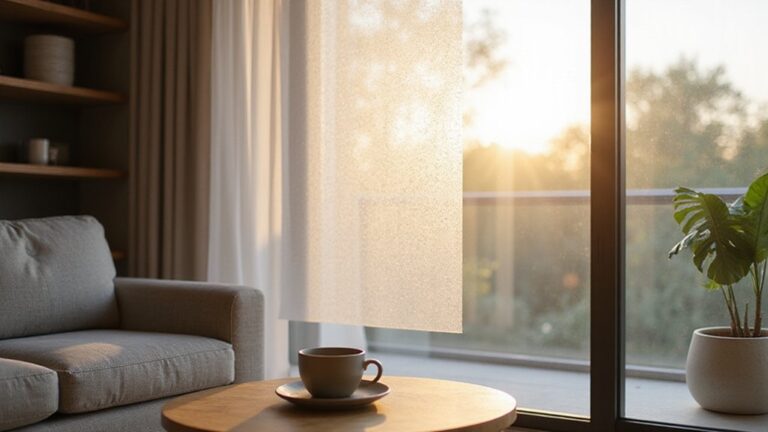
【ENVIRONMENTALLY FRIENDLY RECYCLABLE MATERIAL】Persilux blackout cellular shades is made from recycled materials, which is a great way to continue your eco-friendly lifestyle. Instead of using all new materials to create these blinds, you can have peace of mind that you're giving materials a new life (image 3).They come in multiple fabric colors as light filtering or blackout. Special honeycomb structure offers features such as energy saving & thermal insulation & noise reduction.
Never Use Bleach, Ammonia, or Hot Water on Cellular Shades
Bleach, ammonia, and hot water should never be used on cellular shades. These substances can cause irreversible damage to the fabric, adhesives, and color. Bleach can weaken fibers, create holes, and lead to fading that cannot be reversed. Ammonia strips protective finishes and damages the honeycomb structure, resulting in pilling and discoloration over time. Hot water weakens the glue holding the cells together, causing delamination and warping, and can shrink or distort the fabric permanently. To properly clean your shades, stick to mild dish soap mixed with lukewarm water for washing, and use cool water for rinsing. When cleaning, always handle the shades gently, similar to how you would measure the window accurately before installing a curtain rod. Avoid any cleaning method that involves high heat or harsh chemicals to preserve the integrity and appearance of your cellular shades. For general cleaning, always use a soft cloth or vacuum with a brush attachment, just as you might when choosing inexpensive materials for a DIY project. If you need to replace the fixtures, consider exploring can light conversion kits to update your home’s lighting without damaging your window treatments.
How to Remove Stubborn Grime and Pet Hair From Cellular Shades?
To remove stubborn grime and pet hair from cellular shades, start by tackling pet hair with a lint roller. Gently roll it across each pleat to lift hair without damaging the fabric. Follow this by using a vacuum’s soft brush attachment on low suction; move horizontally from top to bottom to prevent distorting the shape of the shades.
For tougher grime, mix lukewarm water with a small amount of mild dish soap. Dampen a microfiber cloth until it is barely moist—never soaking—and blot stains from the edges inward. Avoid rubbing, as this can cause pilling. If debris is lodged deep within the honeycomb cells, use compressed air in short bursts to blow it out. To prevent debris buildup, regularly dust the shades with a feather duster. After spot cleaning, blot the shades dry and keep them raised for several hours to help restore their shape.
Ideal Lighting and Privacy: Achieve perfect lighting and privacy with Light Filtering Cellular Shades. Ideal for living rooms, dining rooms, and bathrooms, the cordless operation customizes light filtering for balanced illumination.

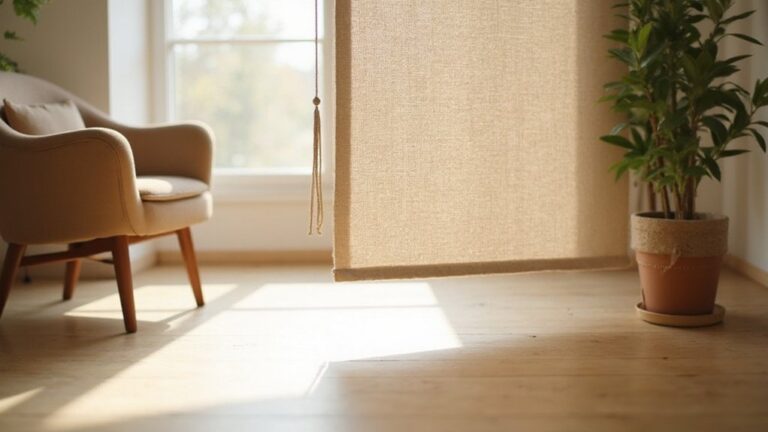
【Linen Fabrics】Made from high-quality linen fabric, our light filtering shades are designed to be soft and skin-friendly, transparent to light, opaque to sight. Perfect for creating a cozy and peaceful atmosphere in any room. The fabric is precisely cut with a laser without any rough edges. Linen fabric is predominantly made from natural linen fibers, which are completely natural and odor-free, providing you a more comfortable and enjoyable environment.

【ORDER CONFIRMATION】We provide plenty of choices to fit your window sizes. Click "Customize Now" to find more. Order the closest size and then we will send email within 24 hours to confirm window information,if we do not get any reply in 48 hours, we will make the size without any adjustment. If you are not sure about size and color, please order one blind to test or take photos of your windows to us and we will give you some advice.
When to Call a Professional for Deep Cleaning Your Shades?
You should call a professional for deep cleaning when household cleaning methods no longer improve the appearance of your shades or you notice signs of damage. If your shades remain dingy despite DIY efforts or you observe fraying, loose cells, or fading colors, it’s time to seek expert help. Persistent grime that is embedded deep within the cellular structure won’t come off with typical household tools and may risk permanent damage if mishandled. Additionally, if you’re concerned about warranty issues, professional cleaning is advisable because harsh chemicals or submersion—common in DIY methods—can void coverage. Ultrasonic cleaning performed by professionals removes chemical residues safely while preserving the integrity of your shades. For shades exposed to pets or blackout fabrics, improper cleaning can cause discoloration or damage, so it’s best to let trained experts test solutions beforehand. If you find yourself cleaning more than once a year, scheduling professional cleanings 2 to 4 times annually can prevent errors and maintain the longevity of your shades. Ultimately, avoiding structural failure or voided warranties means knowing when to leave the task to the pros.