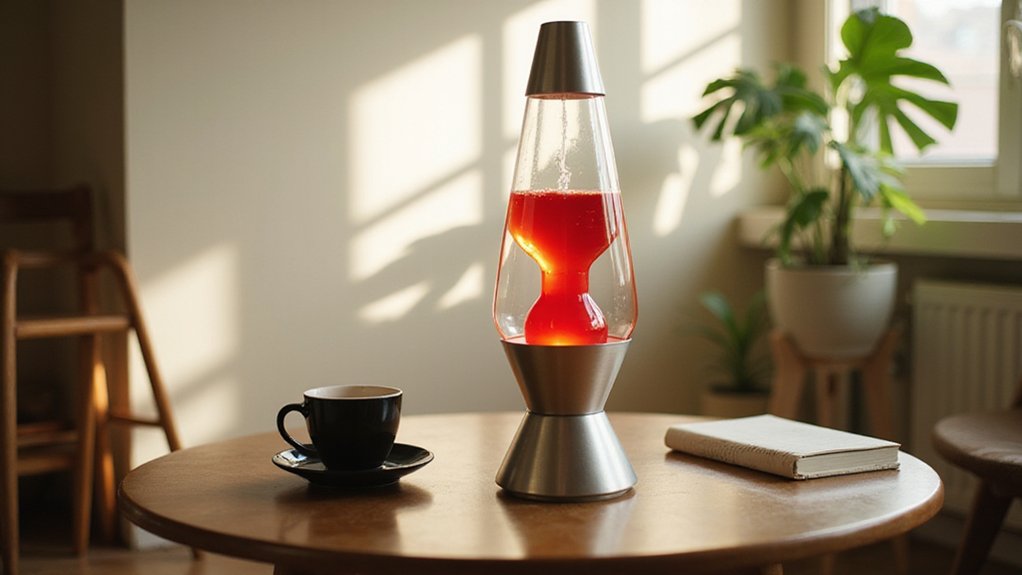
Wondering if your lava lamp might explode? The quick answer is yes, but it’s rare and usually happens when certain safety tips aren’t followed.
Excessive heat or sudden impacts can cause the glass to shatter or the wax to vaporize, leading to broken glass and hot wax flying everywhere.
Keep reading to learn how to prevent accidents and keep your lava lamp safe.
Is a Lava Lamp a Ticking Time Bomb?
A lava lamp can become a hazard if you ignore key safety guidelines. Although it’s not a ticking time bomb by design, extended operation beyond 8 to 10 hours can lead to dangerous conditions. When left running too long, the heat at the base reaches 140 to 180 degrees Fahrenheit, which can cause the glass to crack or the wax inside to vaporize. As the wax vaporizes, internal pressure increases, risking a sudden explosion. Historically, older models lacking safety features sometimes burst due to overheating, which adds to their reputation as unpredictable relics. For a safer alternative, consider using LED strip lights as a tabletop accent that doesn’t pose the same overheating risks. Additionally, loose connections in the electrical components can cause flickering and generate excessive heat, compounding the risk. Considering factors like style, cost, and function can help you choose a safer tabletop accent for your space. To keep your lamp safe, avoid continuous use for more than the recommended hours, and always follow the manufacturer’s instructions. Reputable retailers generally build safety into the design, but your vigilance ensures your lava lamp remains a mesmerizing, rather than hazardous, tabletop accent. Using a higher wattage bulb than recommended can also cause dangerous overheating and increase the risk of bursting.
What Actually Causes a Lava Lamp to Explode?
Lava lamps explode primarily due to excessive internal pressure caused by overheating. When the wax inside the globe reaches a temperature beyond its designed limit, it vaporizes and expands rapidly. This build-up of vapor creates pressure that the glass cannot contain, leading to shattering. Running the lamp for extended periods, such as 8 to 10 hours straight, or using a bulb with too high a wattage, significantly increases the risk. External factors like direct sunlight or an external heater can unevenly heat the globe, raising the temperature too quickly and causing stress. Even minor manufacturing flaws, like hairline cracks, can worsen under these conditions. The delicate balance that keeps a lava lamp functioning safely relies on gentle, even heat, which is much like the careful surface preparation required when installing window film to avoid bubbles and peeling. For optimal safety, always use a bulb with the correct wattage rating to prevent overheating. Disrupting that balance triggers chemical reactions inside the sealed globe—wax expanding and fluid vaporizing—which creates enough pressure to make the glass explode. For a safer alternative, a toy box or organizer can provide durable storage without the risk of shattering.
5 Ways Heat, Impact, or Defects Shatter Lava Lamps
Excessive heat, impact, and manufacturing defects are primary causes of lava lamp shattering. When a lamp overheats from a high-watt bulb, direct sunlight, or being left on for over eight hours, the wax superheats and creates dangerous pressure inside the globe. This pressure can cause the glass to explode because it surpasses the ceramic’s limited durability. Dropping or shaking the lamp while it’s hot can force the wax to expand unevenly, cracking the glass instantly. Additionally, existing hairline fractures or a globe with too much fluid and manufacturing defects leave no room for expansion, making shattering inevitable during normal use. Rapid cooling, such as dunking a hot lamp into water, creates thermal shock that can shatter the glass. Experiments confirm that the energy from a standard lava lamp can be lethal, capable of shattering glass into potentially harmful shards. Reading a guide to choosing a safer light fixture may help you avoid these risks from poorly constructed designs. For example, proper lamp placement should keep the globe well away from the window edge, following the general rule that curtain rods extend past windows to prevent heat buildup. Avoiding these triggers is essential to keep your lava lamp safe and intact. When mounting shelves near the lamp, ensure you use stable shelf brackets to prevent accidental impact from a falling object.
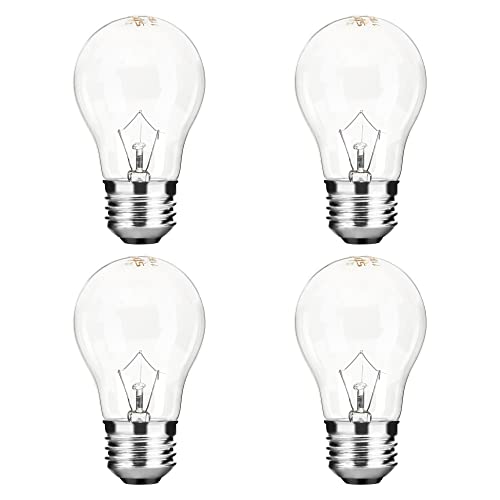
40W A15 appliance light bulb can be used as appliance parts replacement bulb in oven, refrigerator, under microwave, over stove range hood lava lamp, an replacement of OEM bulb item:15206, 48706, 83645, 40A15, 4396822, 8009, 10181, 10034, 9570, 5032-6.

【Multi-Purpose Versatility】: Designed for more than just ovens, this A15 40W incandescent appliance bulb is also perfect for refrigerators, stoves, microwaves, range hoods, and even lava lamps. Whether you need a replacement for your fridge light bulb or a reliable option for kitchen appliances, this bulb offers flexible use across multiple devices.
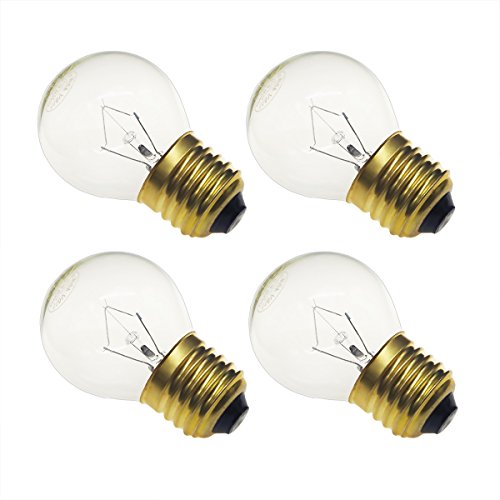
This oven light bulb is designed to meet US Standard G45 and operates at 110v/120v/130v. It has a power output of 40 watts and offers 415 lumens of brightness.
Does the Cap Prevent a Lava Lamp Explosion or Make It Worse?
Capping a lava lamp can either prevent or cause an explosion depending on its temperature when sealed. If you cap it hot, you trap residual heat in a low-pressure state, which prevents dangerous pressure spikes and helps extend the lamp’s life. Conversely, capping it cold seals in air that expands as the lamp warms, creating internal pressure that can lead to an explosion. Similarly, the process of removing window tint often requires a heat gun to soften adhesive, highlighting the importance of heat management in both tasks. To stay safe, always ensure the lamp is at full operating temperature before sealing it. If it’s cold, you should “burp” the lamp by releasing trapped air before sealing. Avoid overtightening the cap or forcing the plug, as this risks cracking the seal and increasing the likelihood of a dangerous buildup of pressure. The maximum safe storage volume for any sealed container is limited by standard storage bin sizes like 27 gallons, which helps define safe pressure limits. Proper sealing, following these principles, treats the cap as a safety valve; improper sealing can turn it into a potential hazard. For a similar maintenance task, use a soft cloth to gently wipe down the exterior of the lamp to keep it clean and free of dust.

Fit for 14.5" Lava Lamps: Designed for standard 14.5-inch classic lava lamps. This lava lamp cap kit features a precision opening for a secure fit. Helps keep the top cap stable without wobbling or shifting

PERFECT FIT FOR 14.5" CLASSIC LAVA LAMPS:Precision designed to seamlessly fit 14.5" classic lava lamp models. Our replacement top caps align perfectly with your lamp for stable, secure, and optimal performance, no wobbling or misfitting.

Fit for 14.5" Lava Lamps: Designed for standard 14.5-inch classic lava lamps. This lava lamp cap kit features a precision opening for a secure fit. Helps keep the top cap stable without wobbling or shifting
What Happens When the Wrong Bulb Wattage Overheats a Lava Lamp?
Using a bulb with wattage higher than recommended can cause significant damage to your lava lamp. For example, an 11-inch lamp should only use a 15W bulb, not a 25W bulb. The excess heat from a higher wattage bulb raises the internal temperature beyond the lamp’s design limits. This disrupts the delicate balance inside, leading to the wax discoloring, clumping, or not flowing smoothly. The higher temperature also increases internal pressure, putting stress on the sealed glass bottle and risking cracks. Additionally, the metal coil at the bottom heats up faster, melting the wax too quickly and ruining the convection cycle that creates those mesmerizing blobs. Over time, sustained high temperatures can degrade the seal and cause thermal stress, which may crack the glass entirely. Ignoring wattage guidelines is not just about damaging your lamp—it’s a safety hazard that increases the risk of electrical issues or glass breakage. For similar reasons, using the wrong bulb can also mimic the damage seen when a door curtain is exposed to excess heat from lamps. To ensure optimal quality and performance in any lighting product, always follow manufacturer specifications. Always stick to the recommended wattage to keep your lava lamp functioning safely and beautifully.


COMPATIBILITY: Specifically designed for 10-inch glitter and lava lamps, these 15-watt bulbs provide optimal illumination for mesmerizing displays

STABLE AND SAFE LIGHT OUTPUT: This 15 watt salt lamp bulb is a high quality bulb. Provide stable lighting for your salt lamp, safe to use, no longer need to worry about quality issues.(NOTE:PLEASE PAY ATTENTION TO THE SIZE OF YOUR LAMP BEFORE PURCHASING, OUR PICTURES ARE LABELED WITH DETAILED BULB SIZE, PLEASE SCREEN CAREFULLY!)
Can Sunlight, Stoves, or Heaters Really Pop a Lava Lamp?
Placing a lava lamp in direct sunlight, on a stove, or near a heater can cause it to explode. These heat sources disrupt the lamp’s thermal balance, leading to dangerous failures. Sunlight heats the entire globe quickly, causing pressure to build inside the sealed bottle. A stove’s intense heat can shatter the glass at a rapid pace; in some cases, shards have injured people severely. Even a heater nearby can cause uneven heating, risking overheating the liquid and breaking the glass. Manufacturers strictly warn against exposing lava lamps to external heat sources because of these risks. The only safe heat source is the internal bulb designed for the lamp. Keeping the lamp away from windows, stoves, and heaters prevents catastrophic failures and keeps you safe. For those who install supplemental lighting, it is critical to follow a wiring LED strip guide to avoid fire hazards.
Why Overfilling and Long Runs Raise Explosion Risk
Overfilling your lava lamp or running it for too long sharply increases the risk of explosion. When you exceed the recommended fill line, you eliminate the necessary air buffer that allows the liquid and wax to move safely. As the wax heats and expands, it compresses the remaining air inside. Without enough space, the pressure inside rises dramatically, pushing the wax against the glass and stressing it beyond its limit. For example, tungsten bulbs produce a different kind of heat that doesn’t superheat wax the same way LEDs do. Running the lamp for more than 8 to 10 hours can cause superheating. The wax becomes hot enough to vaporize, creating rapid pressure spikes from expanding gas. This process can trigger thermal runaway, where the wax stops flowing and the temperature continues to rise uncontrollably. Ignoring these signs increases the chance of the glass globe shattering due to excess pressure, risking a dangerous explosion. Always follow the manufacturer’s guidelines to prevent these hazards. Just as DIY automated roller blinds require careful attention to materials and steps, lava lamp safety depends on proper usage.
Flying Glass and Hot Wax: Injury Risks During an Explosion
Flying glass and hot wax pose immediate injury risks during a lava lamp explosion. Up to 85% of injuries involve flying glass, which becomes high-velocity projectiles capable of penetrating your skin or chest. Chemical reactions inside the lamp, especially when overheated, weaken the glass, causing it to shatter suddenly and spray shards in all directions. The hot wax can cause severe thermal burns if it contacts your skin and may ignite if internal chemicals catch fire. A shard piercing your body can lead to critical damage; for example, a piece could puncture your heart, resulting in rapid blood loss. The force of the blast makes these injuries both quick and severe. The man was heating the lamp on a stove in 2004, an act that caused excessive heat to build and trigger the explosion. A similar incident demonstrates that cost of window film is irrelevant to these safety risks, as a DIY approach to home projects does not prevent hazardous chemical reactions in sealed glass vessels. Following a step-by-step guide for proper use can minimize these risks. For preventing such explosions, strict adherence to manufacturer warnings is more critical than creative alternatives for hanging curtains.
7 Prevention Steps: Bulb, Placement, and Inspection
To prevent a lava lamp explosion, you should follow three essential steps: using the correct bulb, placing the lamp on a stable surface, and performing regular inspections. First, always match the wattage of the replacement bulb to the manufacturer’s specifications. Using a higher wattage can create excessive pressure inside the globe, increasing the risk of breakage. Before changing the bulb, unplug the lamp and allow the bulb to cool for at least ten minutes to avoid burns or damage. Second, position your lamp on a firm, level surface that is away from edges, flammable items, and heat sources. Keep it out of direct sunlight and cold drafts, both of which can cause dangerous temperature fluctuations. Third, inspect the glass globe for cracks, chips, or other damage regularly. Also, check the cord and plug for signs of burn marks or fraying. While lava lamps made with durable materials and proper manufacturing standards are safer, neglecting these checks can still lead to hazards. If you notice any damage or malfunction, stop using the lamp immediately to prevent potential failure.

Quick Preheat: The E17 lava lamp bulbs generate a large amount of heat and heat up quickly, The heat of the 25W lava bulb is evenly distributed to your lava lamp. The stable heating lamp glitter bulb is designed with high efficiency to reduce power consumption and provide long-lasting brightness

PERFECT HEAT FOR OPTIMAL WAX FLOW: Engineered specifically as a lava lamp light bulb replacement, this 30W R39 reflector bulb generates the precise heat required to melt wax evenly. Say goodbye to sluggish blobs; our lava lamp bulbs ensure your lamp reaches the ideal temperature quickly for mesmerizing, continuous motion.

Purchase Note: This E17 S11 bulb socket may not fit all vintage lava lamps. Be sure to check your lamp's model and specifications before purchasing
Safe Run Times for Lava Lamps
Lava lamps should not be run for more than 8–10 hours in a single session to prevent thermal stress and damage. Exceeding this duration increases the risk of cloudiness, wax breakdown, and a shorter lifespan. Smaller 14.5-inch models safely operate up to 4 hours, while larger 16.5-inch lamps can handle up to 10 hours. The wax composition plays a role—overheating causes tiny bubbles, which indicate the lamp needs to be turned off immediately. Using a dimmer switch can extend safe run times to 12–14 hours but never beyond 24 hours continuously. Always allow 1–2 hours of cooling between sessions so the wax can reset properly. After overheating, let the lamp sit undisturbed for 24 hours before turning it back on. Adhering to these limits helps ensure your lava lamp remains safe, flowing smoothly, and free from potential explosions.

Plug-in dimmer features full range dimming with a quiet slide control and no humming noise. Dim lights from 10% to 100%

CONVENIENT – an easy way to create a big impact for a minmal cost and customize the light level in any room, for any occasion and in any home

Plug-in dimmer features full range dimming with a quiet slide control and no humming noise. Dim lights from 10% to 100%